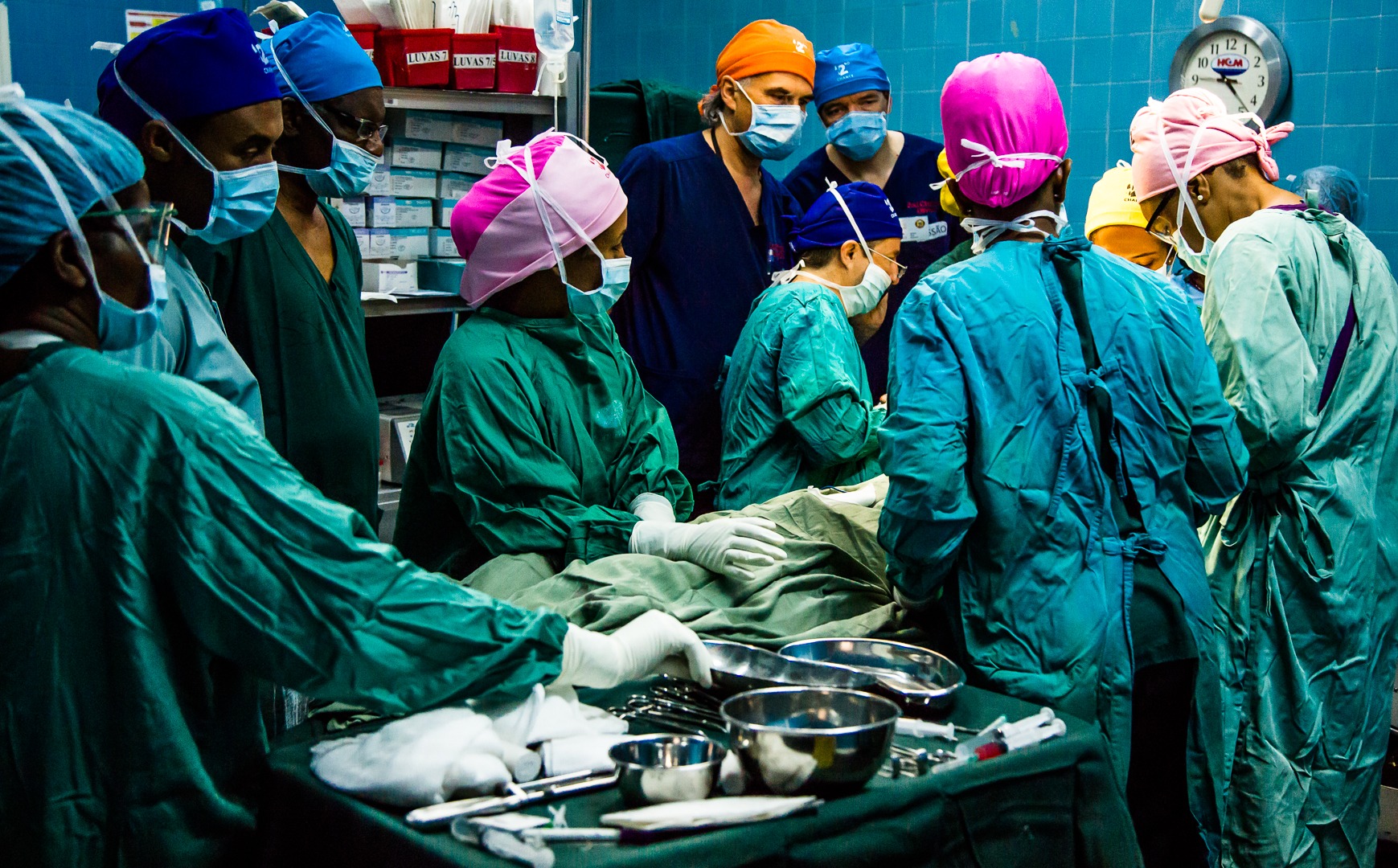
Reconstructive Surgery
For more than fifteen years, 2nd CHANCE has worked to make reconstructive surgery accessible in sub-Saharan Africa. We treat patients living with burns, congenital malformations and the lasting consequences of trauma, and we mentor the African surgical teams who will care for them long after we leave.
Why it matters
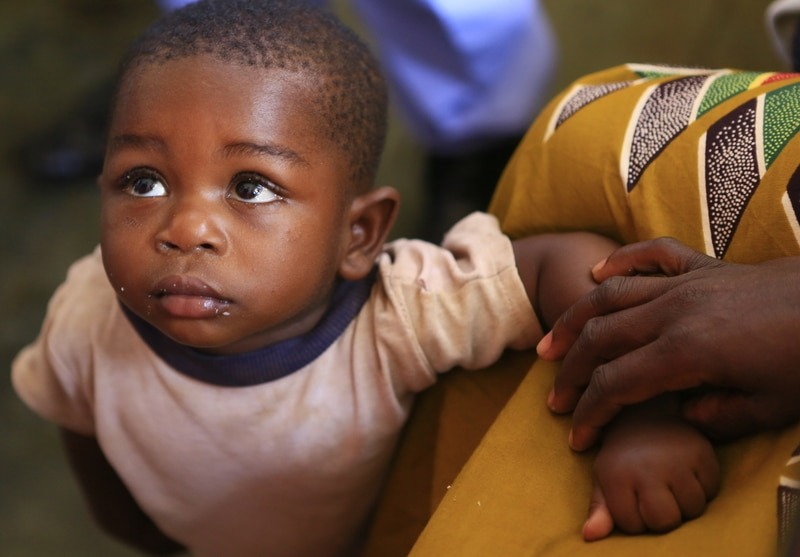
A burn that heals without care can lock a child’s elbow or hand for life. A malformation left untreated can keep a child out of school. The sequelae of an accident or a conflict can cost an adult the ability to work.
These conditions are rarely fatal, which is why they are so often overlooked. Yet they limit movement and independence, and they carry stigma: exclusion from school, work and community life.
Reconstructive surgery repairs more than tissue. It gives people back the use of their body, their place in their family and the ability to build a future.
The challenge
Across much of sub-Saharan Africa, surgeons are trained first to respond to the most urgent needs, usually in general surgery. Specialised training in reconstructive surgery has long been scarce, and many countries still do not have a single plastic surgeon.
At the same time, a young population remains highly exposed to domestic burns, road accidents and the consequences of conflict and humanitarian crises. The gap between needs and available skills keeps growing.
Our conviction
In its early years, 2nd CHANCE sent teams to operate. We quickly understood that this alone could not close the gap: once the team left, the next patients had no one to turn to.
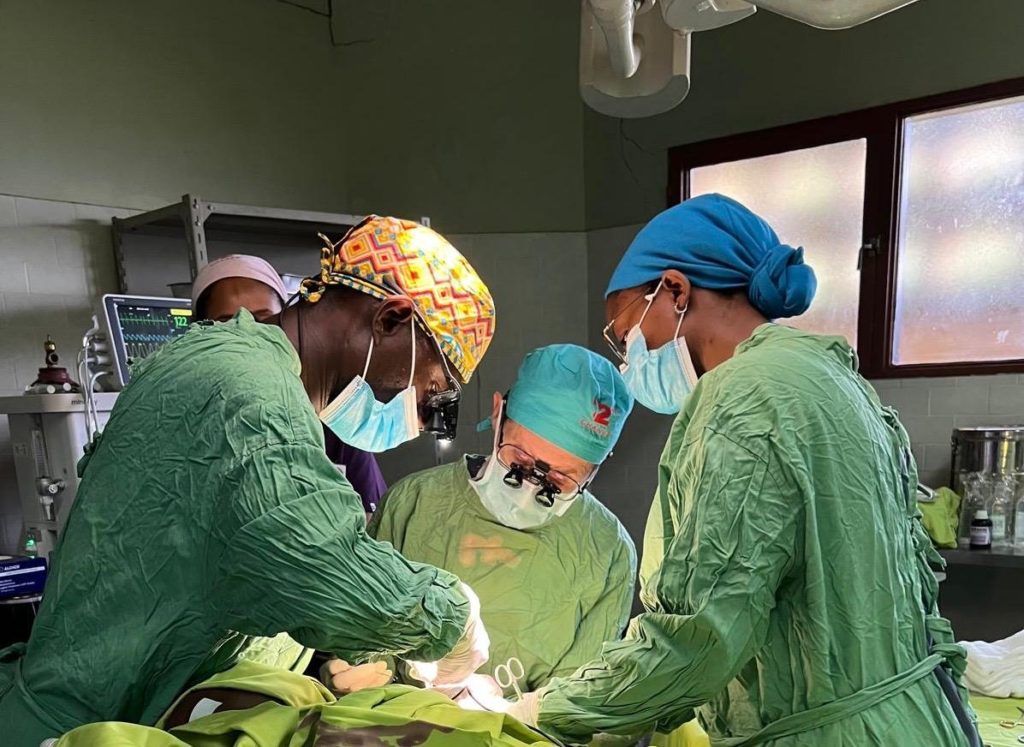
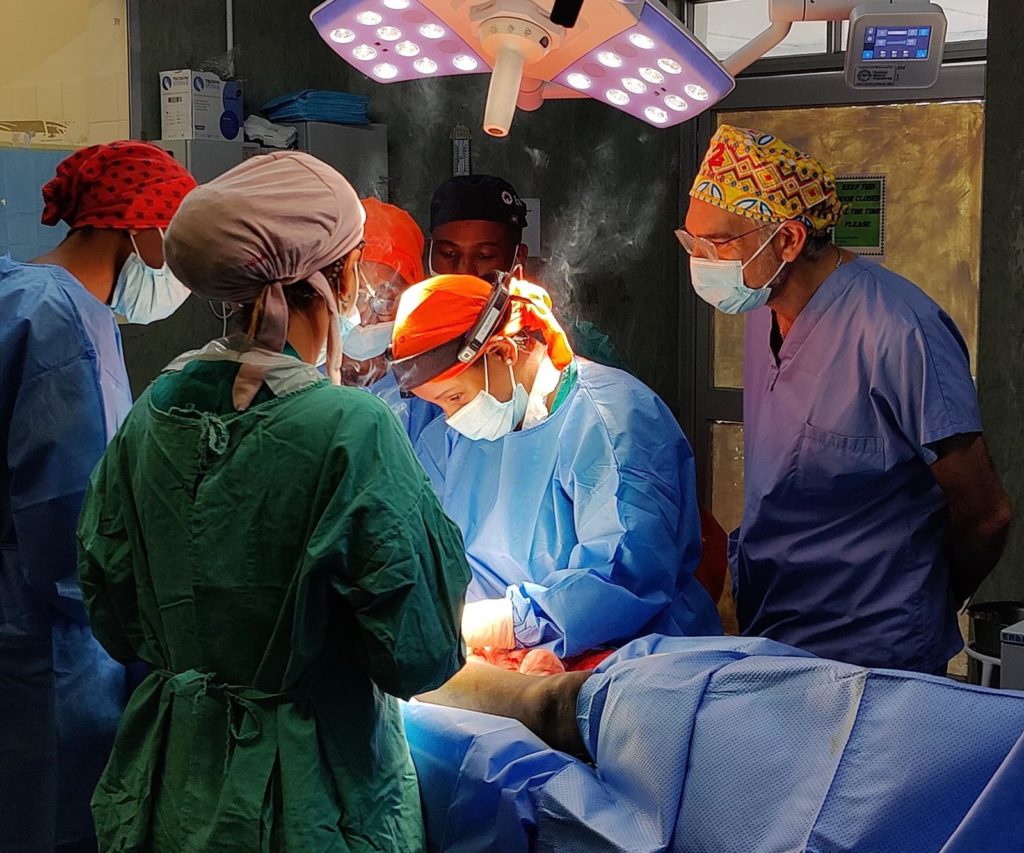
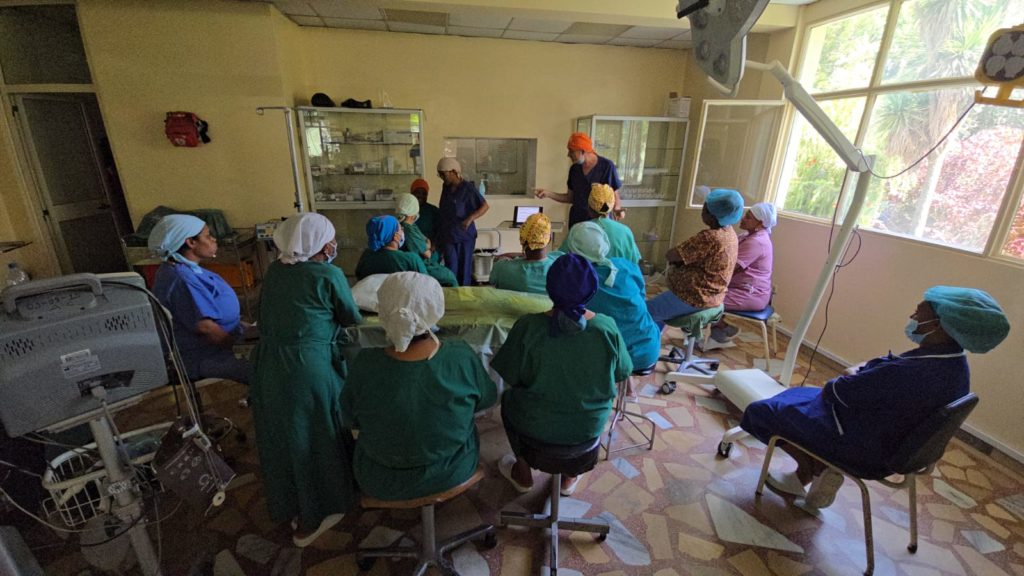
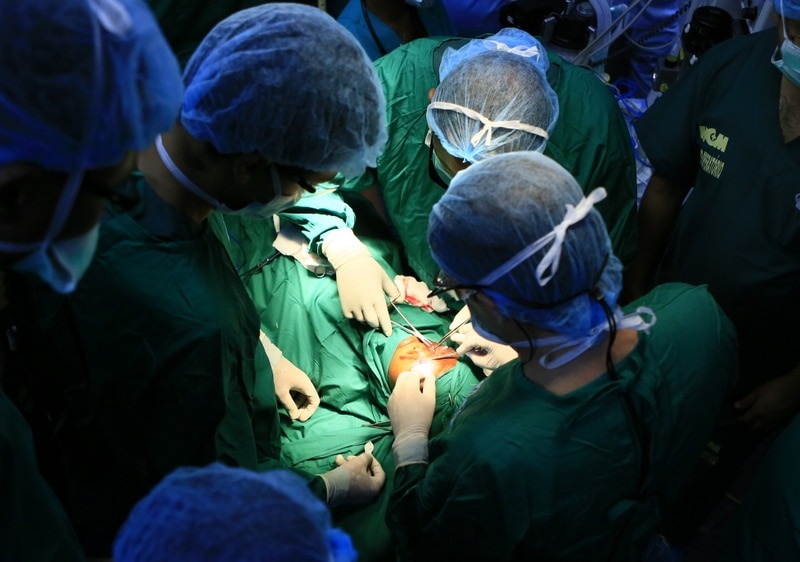
So we placed training and mentorship at the heart of everything we do. Each operation during our workshops is also a lesson, carried out alongside local surgeons in their own hospital, with their own resources and constraints.
A surgeon supported by 2nd CHANCE will treat hundreds of patients throughout a career, and share that knowledge with younger colleagues. That lasting effect is the reason we exist.
How we work
We work with the regional Colleges of Surgeons (COSECSA and WACS/COAC) and national specialist programmes. Workshops progress from basic to advanced techniques, supporting surgeons towards a recognised specialist qualification.
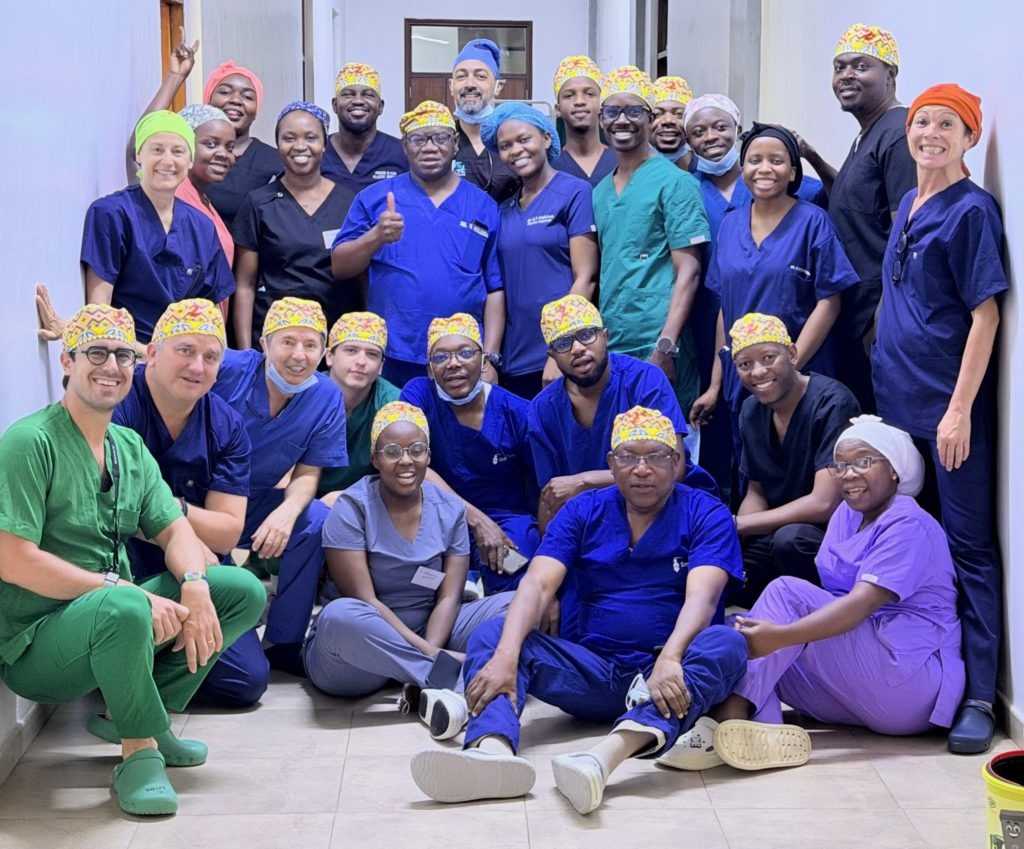
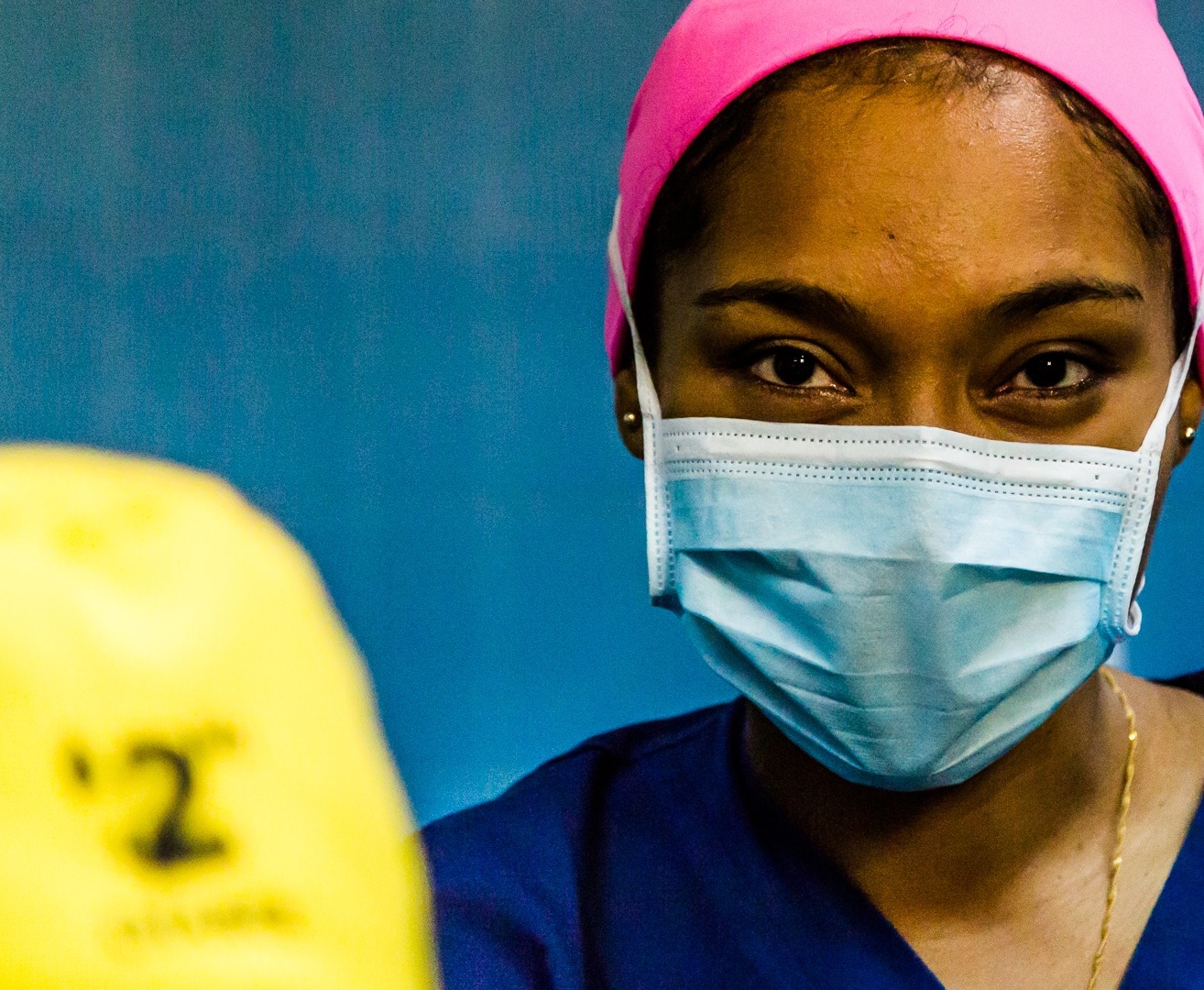
There is no good surgery without quality perioperative care. Anaesthetists, anaesthesia nurses and theatre nurses train alongside surgeons, because every link in the chain shapes the outcome.
Accurate diagnosis, appropriate treatment, safe anaesthesia and hygiene, post-operative care and rehabilitation: we teach the full care pathway, not only the procedure.
Operated patients are reviewed at the following mission. This commitment safeguards quality of care and helps us improve our teaching year after year.
We bring together surgeons from different countries to share experience, discuss complex cases and support one another beyond our workshops.
Our journey
Founded in Geneva in 2010, 2nd CHANCE began by bringing volunteer surgical teams to regions where reconstructive care was simply unavailable, particularly in post-conflict contexts.
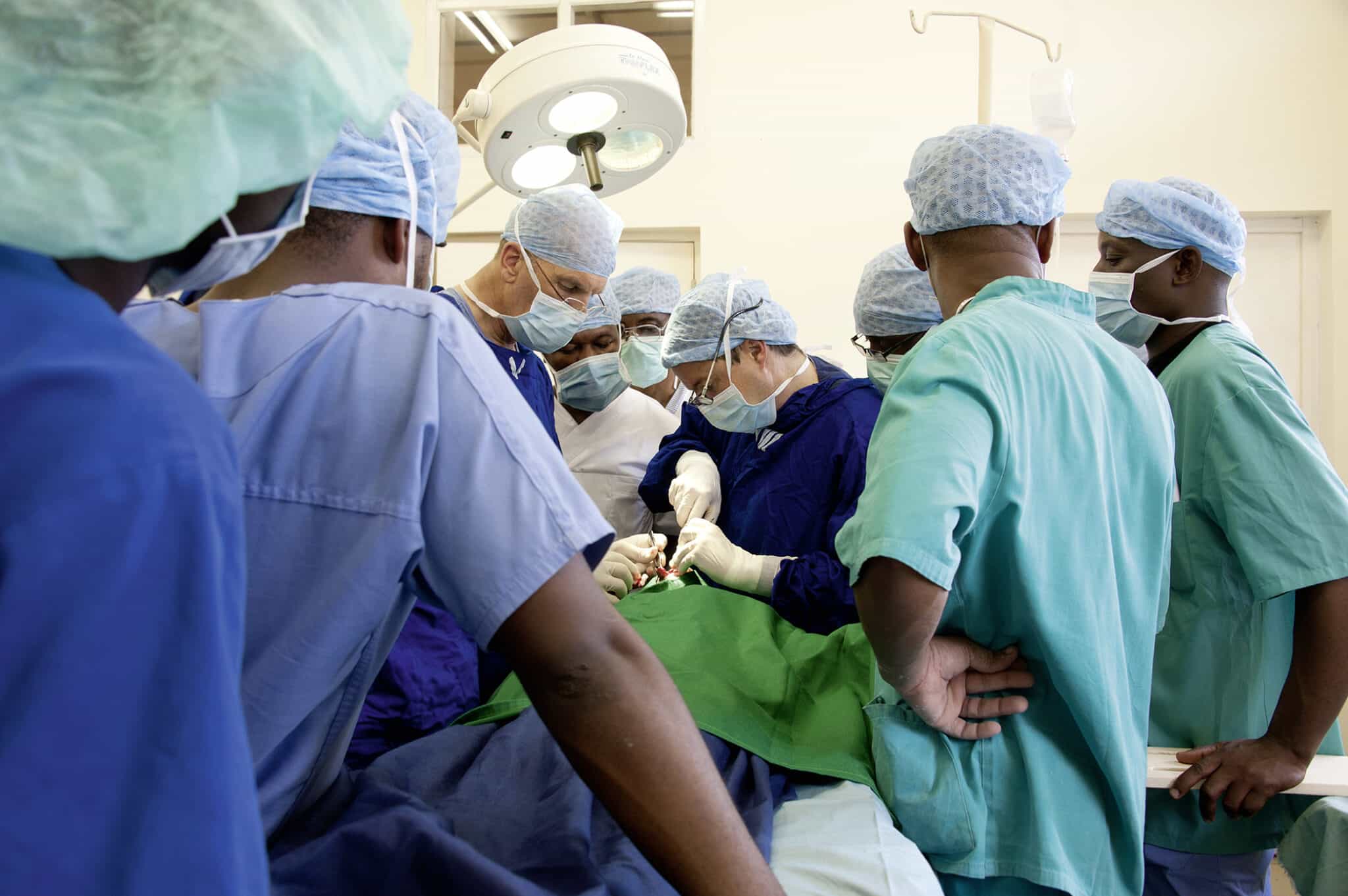
Faced with the scale of the need, the Association shifted its focus to transferring skills to local teams rather than replacing them.
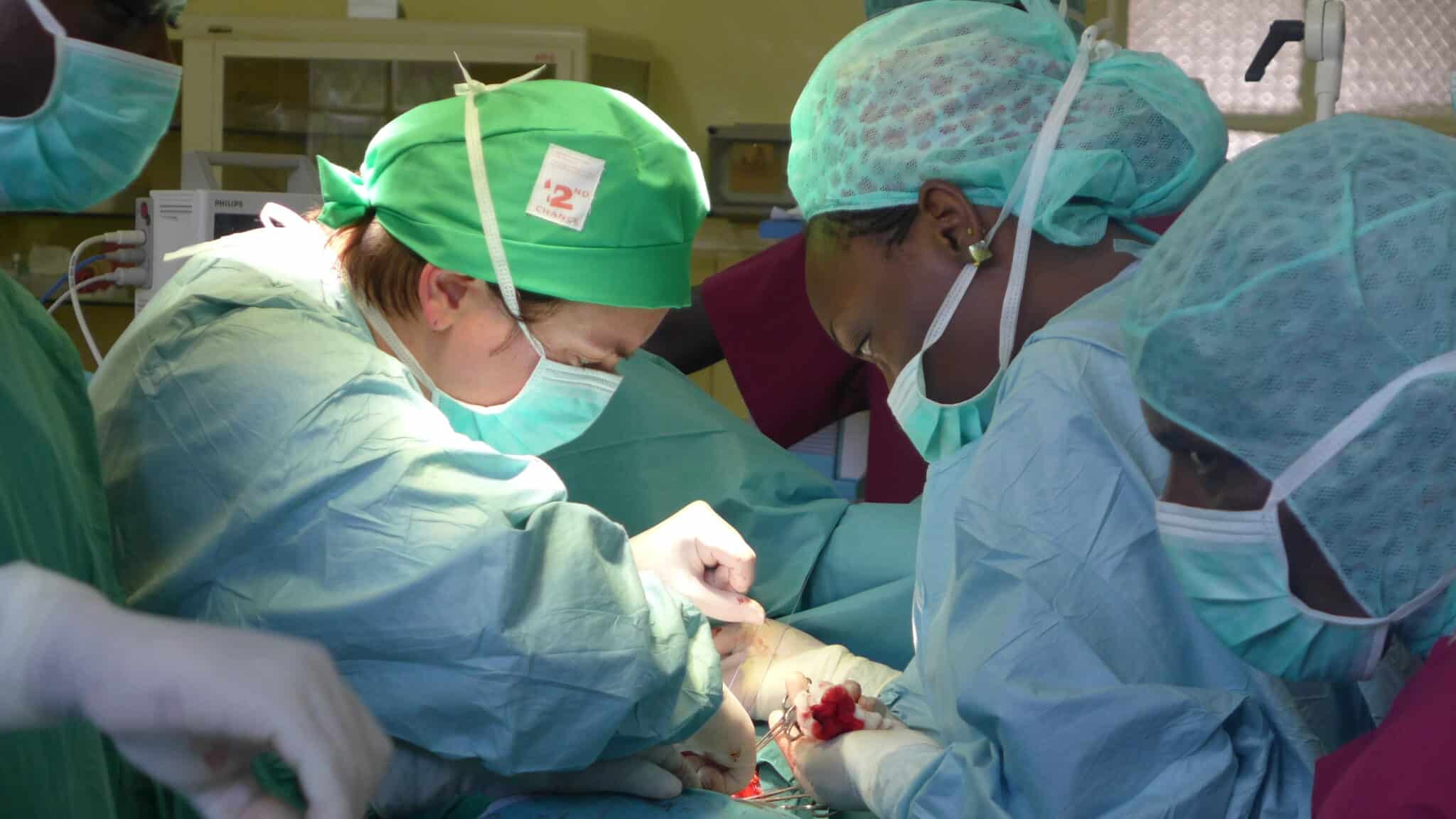
Our workshops became part of the COSECSA specialist curriculum. Year after year, the surgeons we supported earned their qualification and strengthened reconstructive surgery in East, Central and Southern Africa.
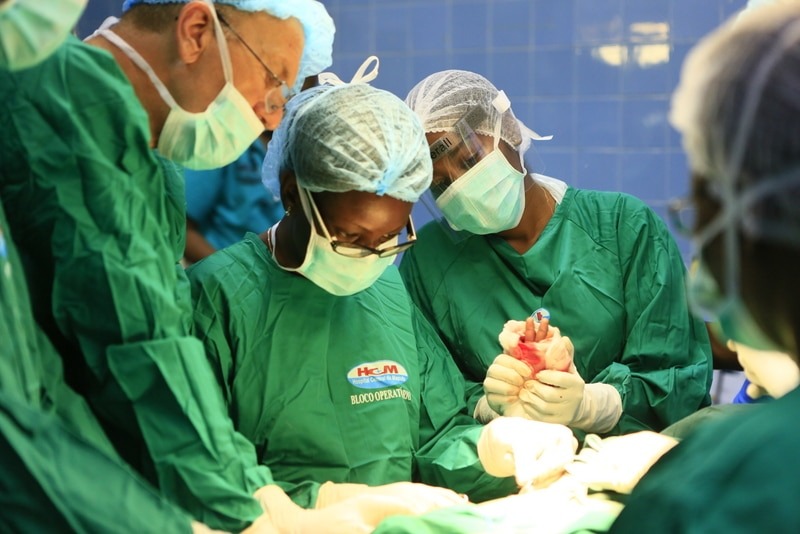
Anaesthesia and nursing care became an integral part of every mission, because surgical skill alone does not make surgery safe.
When international travel stopped during the COVID-19 pandemic, local teams continued to care for their patients on their own, confirming that competent local teams are the only lasting answer.
The programme extended to West Africa, including French-speaking countries, and began bringing surgeons from East and West together across language barriers.
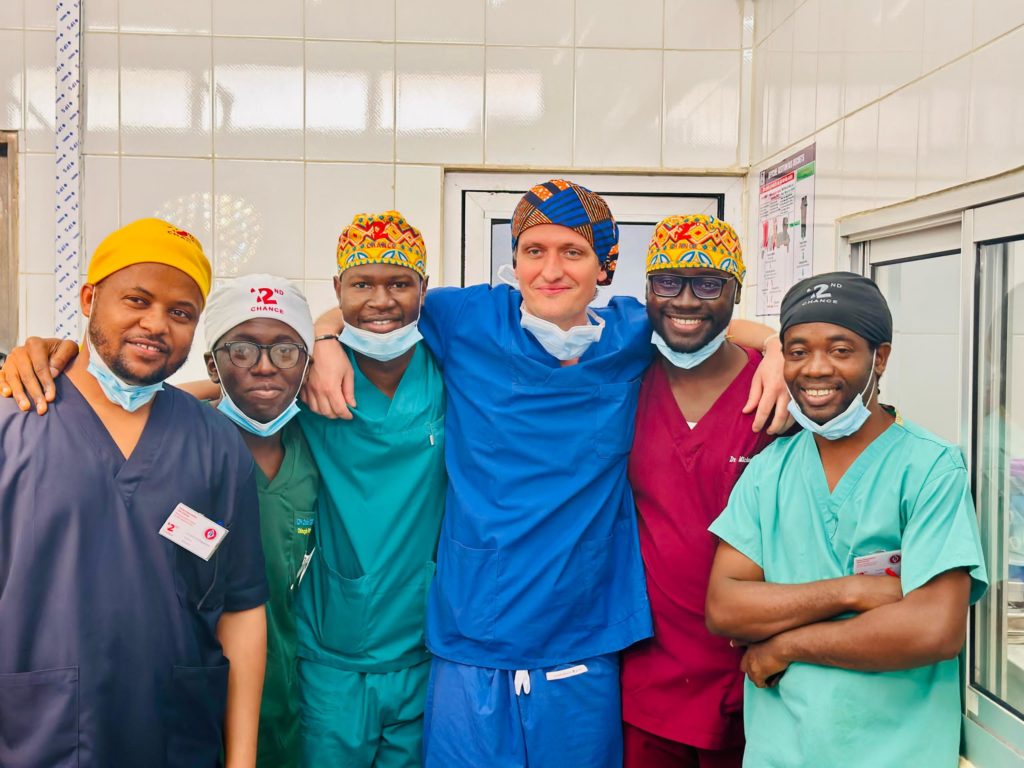
Surgeons once supported by 2nd CHANCE now take part in our workshops alongside our teams, mentoring the next generation. Mixed Swiss and African teaching teams have become the norm.
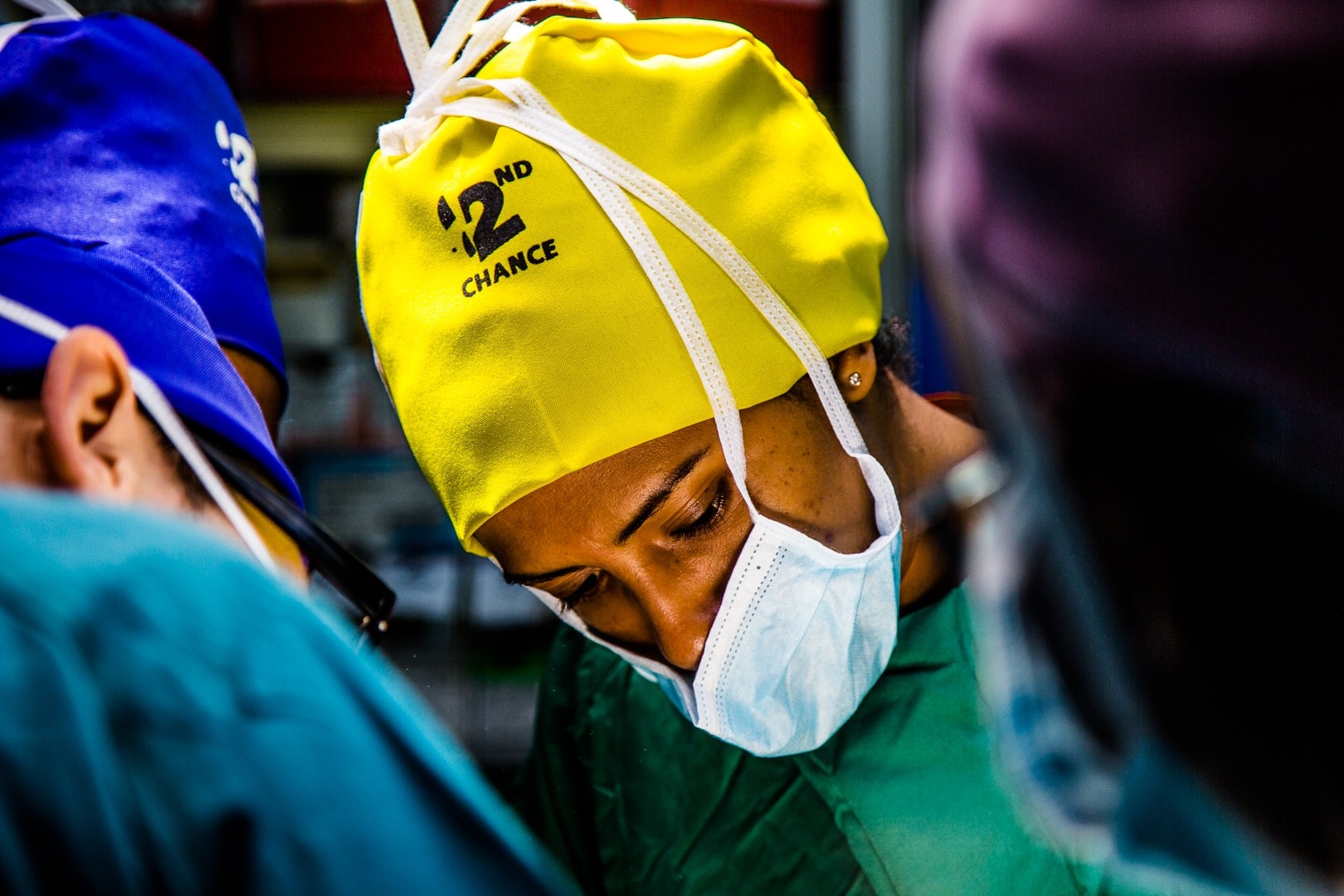
Our goal for 2030: workshops increasingly led by African professionals, operating independently. Meanwhile, we advocate from Geneva for reconstructive surgery to be recognised as a public health priority.
What we bring
Access to safe, quality surgery close to home. They regain movement and independence, and can return to school, work and family life.
Hands-on training within recognised pathways, mentoring and support towards qualification, and a network of peers across the continent.
Lasting local expertise, safer operating theatres, and specialists who remain in their country, building the case for reconstructive surgery in national health policies.
Looking ahead
Our ambition remains the same as on day one: that reconstructive surgery becomes an integral part of universal health care, accessible to all.
We will keep training, treating and advocating until every patient in need can find a qualified team close to home.
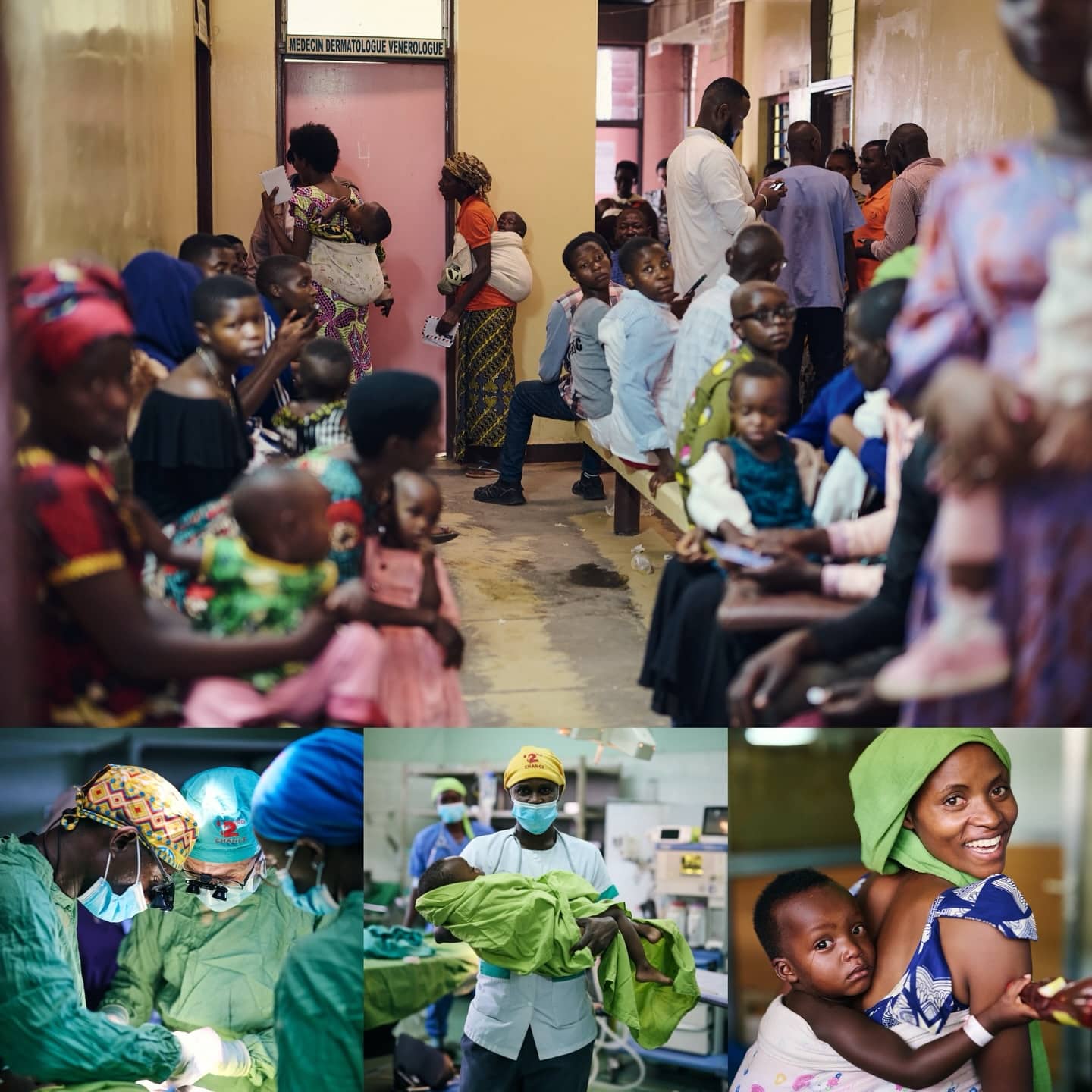
Here are our latest actions in the field: through specialized interventions, patients suffering from burns, congenital malformations, obstetric fistulas, or goiters have regained their health, dignity, and independence. These essential treatments transform not only the lives of the patients but also those of their families and communities.
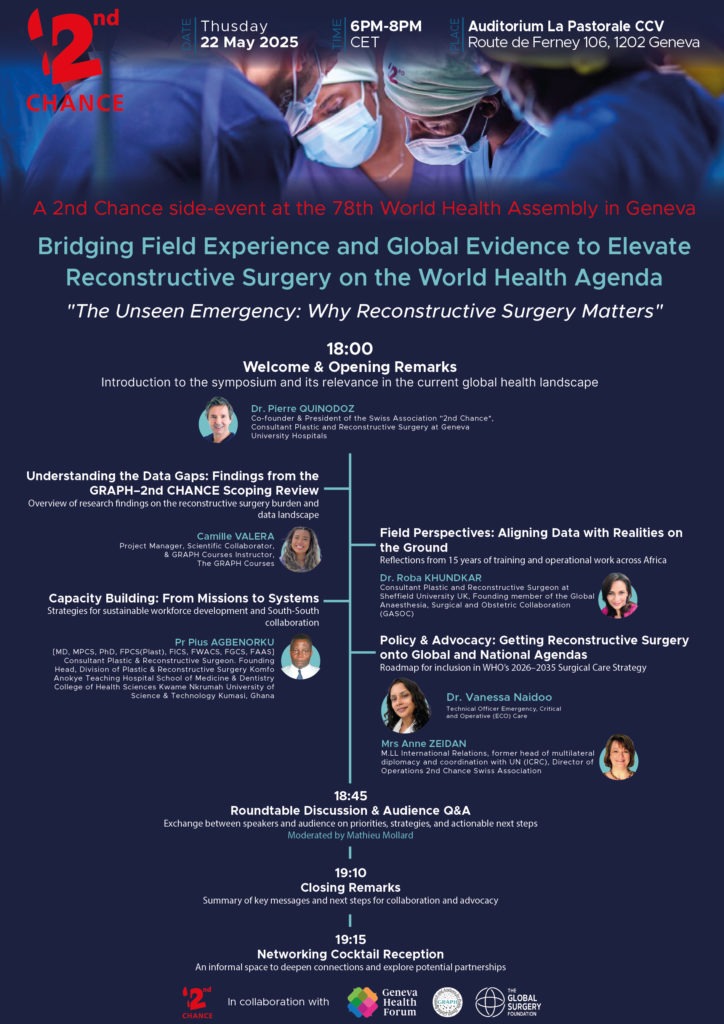
For detailed results and figures, see our annual reports.