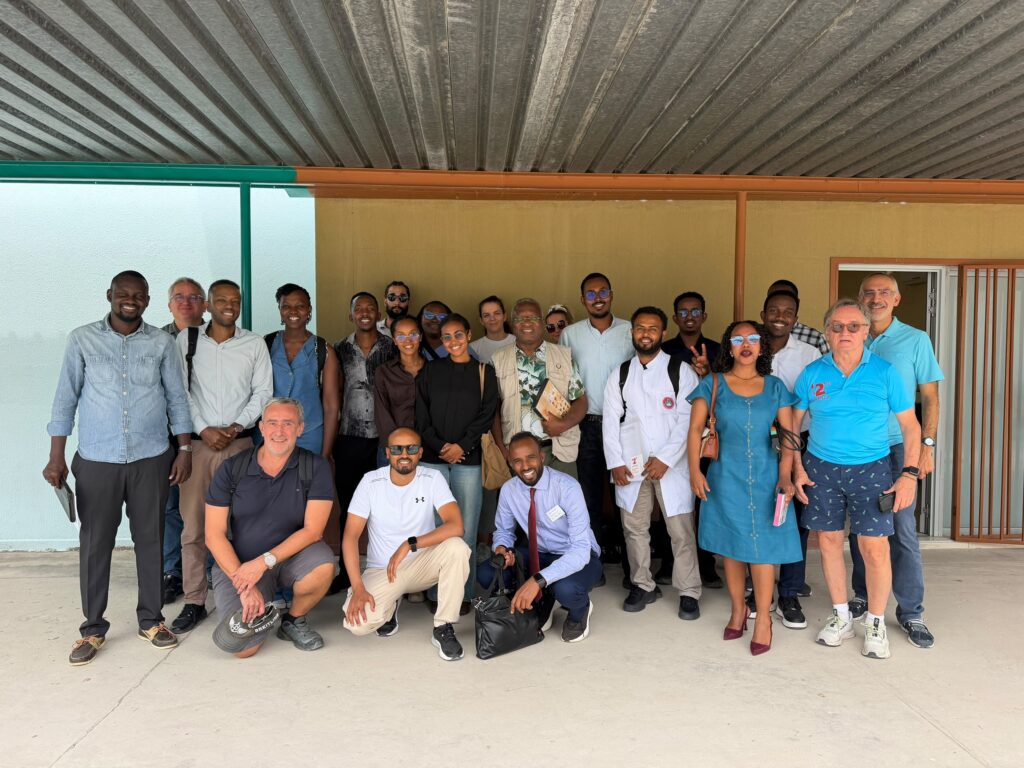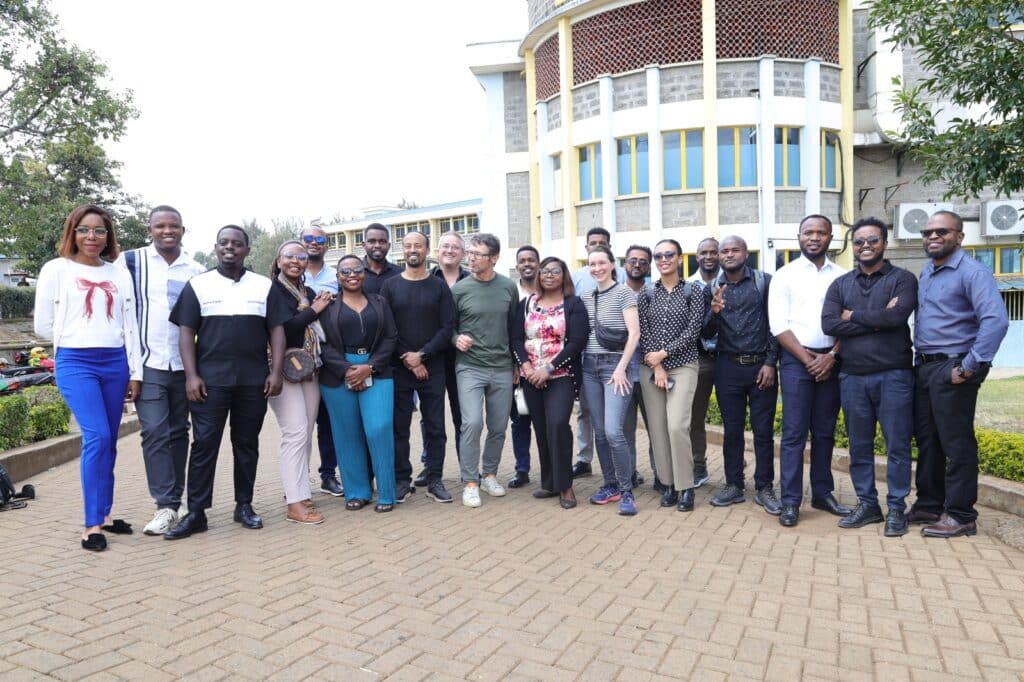
Over one week in Oshakati, 39 patients were assessed and 17 operated on, with 16 participants from six countries. But the purpose of the workshop went beyond the operating theatre. 2nd CHANCE exists to teach: experienced surgeons pass on their skills to surgeons and healthcare professionals from the region, who in turn become trainers for their own colleagues. That transfer of knowledge is what improves access to reconstructive surgery over time.
A shared commitment to better access to care
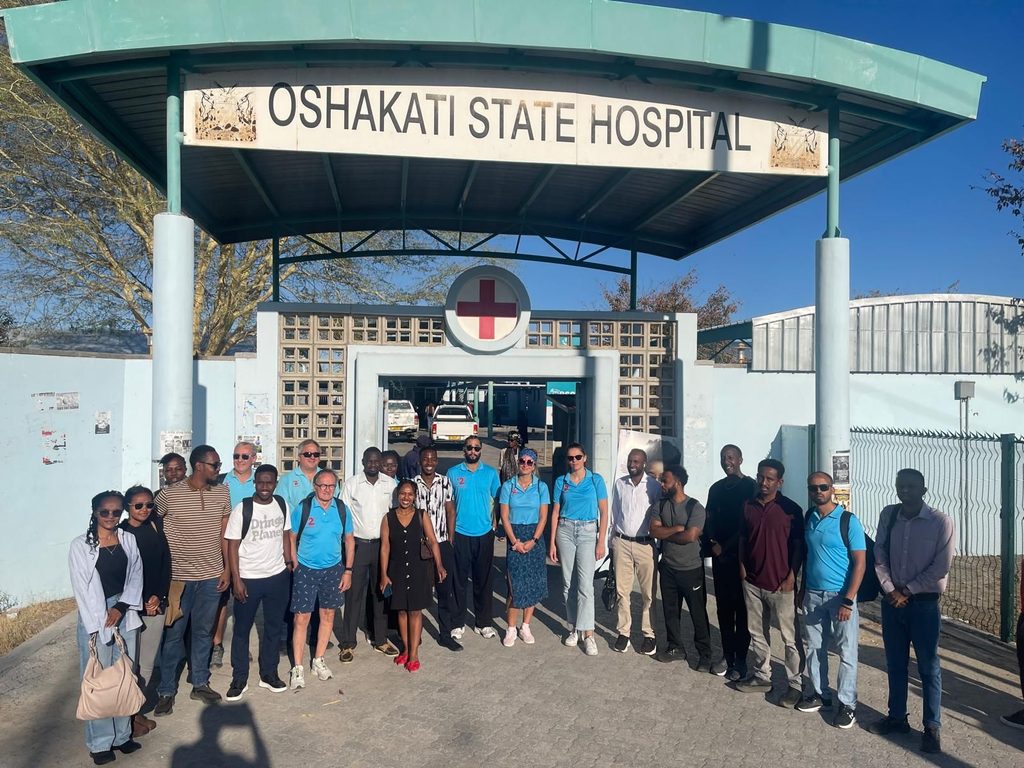
From 3 to 10 October 2026, 2nd CHANCE worked alongside the medical teams at Oshakati Referral Hospital, continuing a partnership established in 2022.
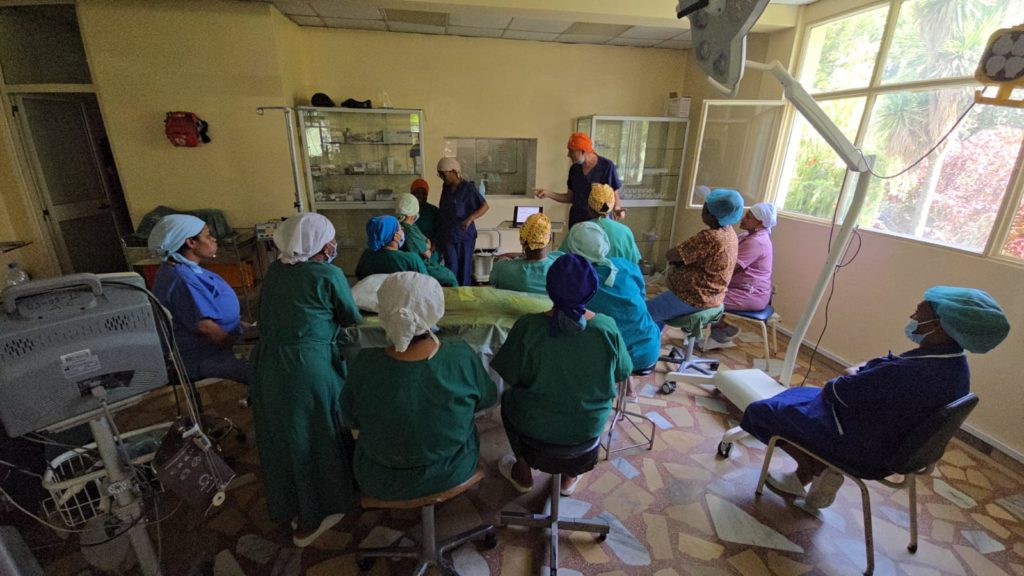
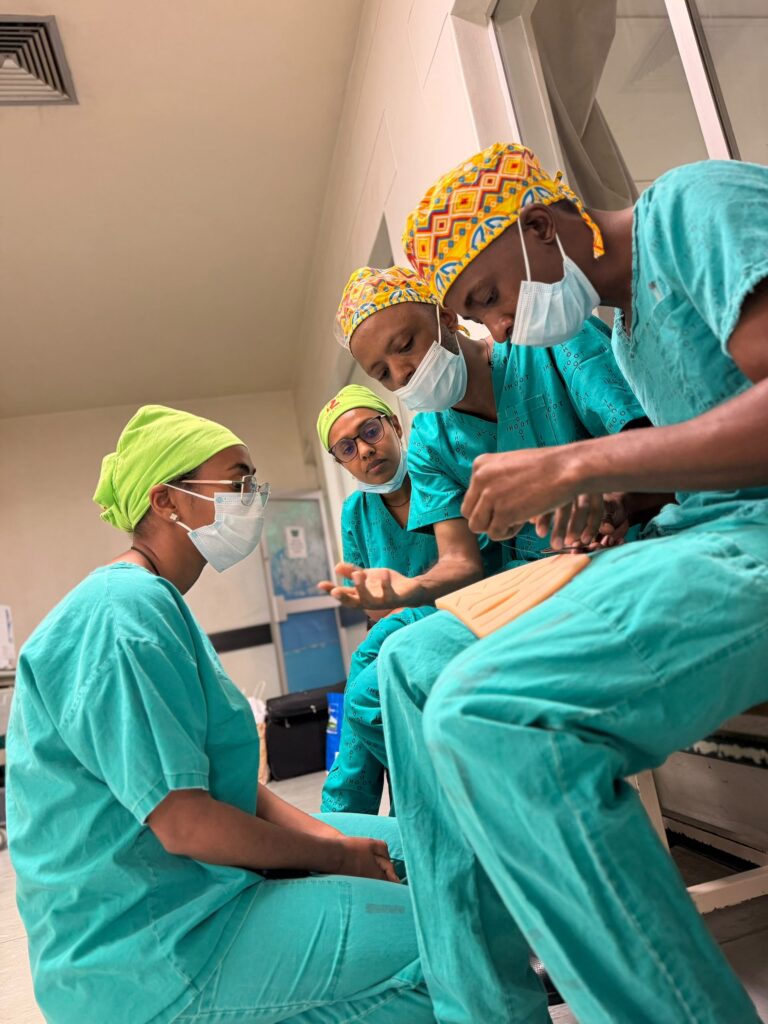
The workshop brought together 16 participants from Ethiopia, South Sudan, Namibia, Somalia, Rwanda and Uganda. Over the course of the week, the team combined clinical practice with the exchange of knowledge and experience, working towards a common objective: strengthening the capacity to provide quality reconstructive surgery.
The programme was made possible by the commitment of the participants and the active involvement of the local medical teams. Their collaboration was central to the workshop, both in the operating theatre and throughout the wider training programme.
Training through practice
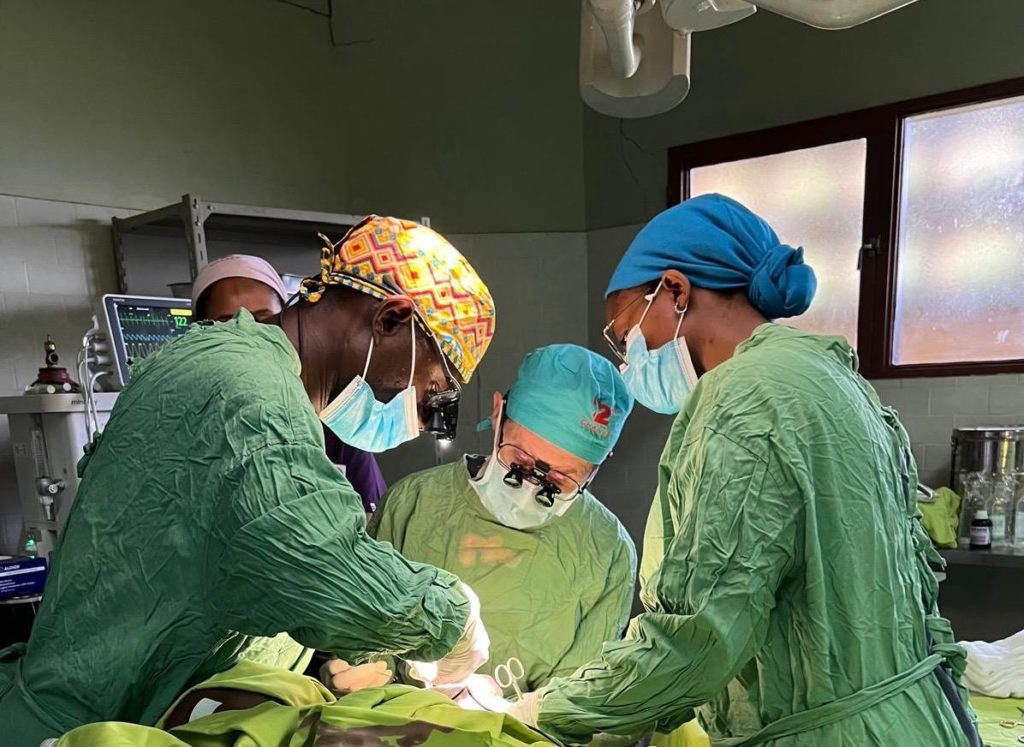
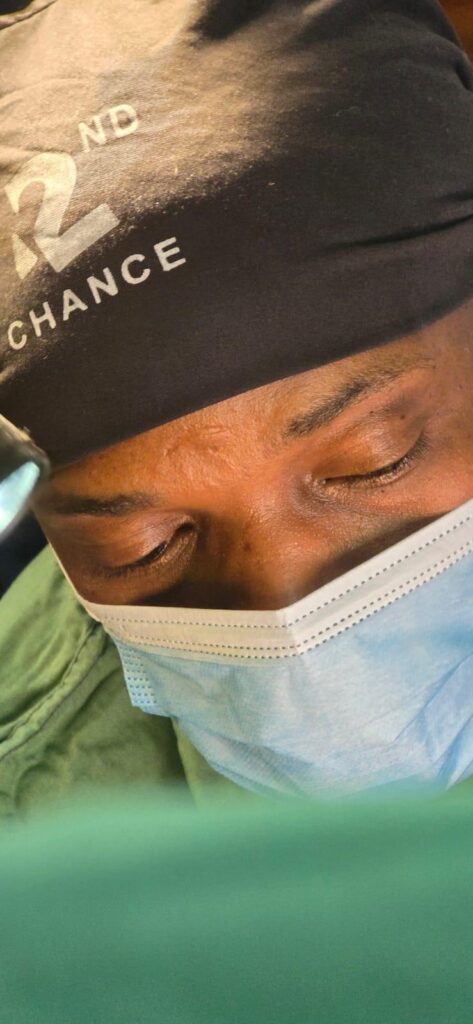
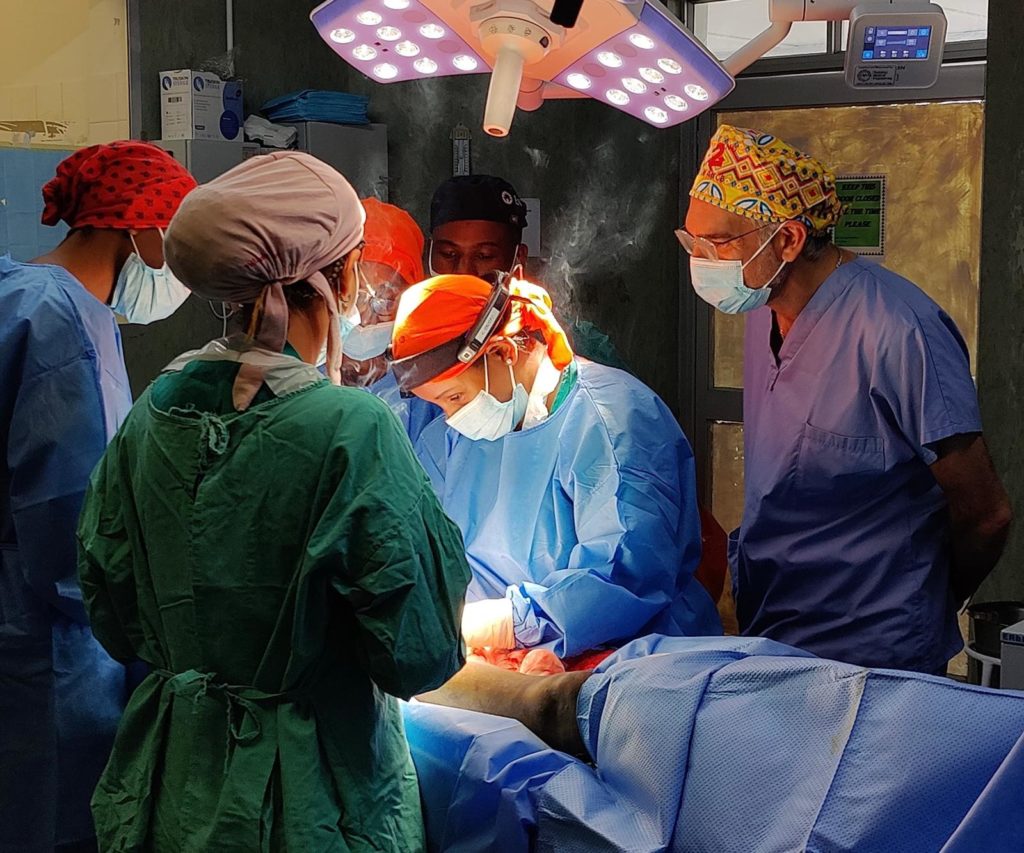
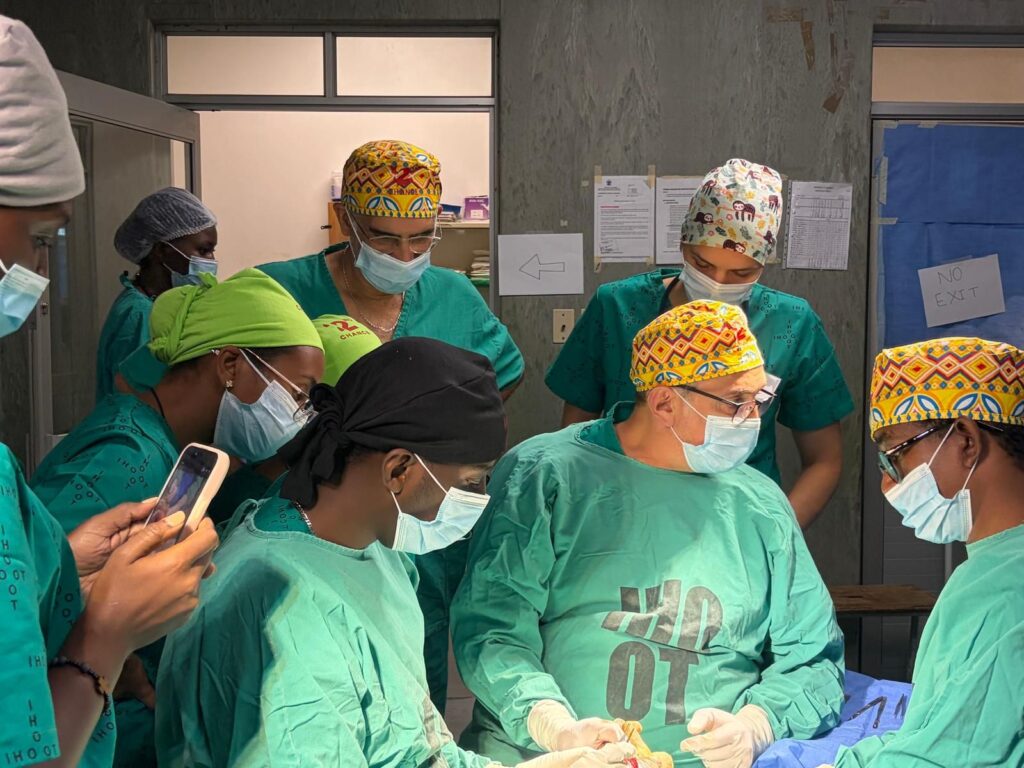
Clinical practice was at the heart of the workshop: participants operated themselves, guided step by step by experienced trainers.
During the workshop, 39 patients were assessed. Following clinical evaluation, 19 were initially selected for surgery. After further medical considerations and changes on the day of surgery, 17 patients ultimately underwent operations over three days, with two operating theatres running in parallel.
Each procedure provided an opportunity to apply surgical knowledge in a practical setting, with experienced professionals sharing their expertise and supporting clinical decision-making.
Reconstructive surgery can help address the consequences of burns, trauma and other conditions that affect a person’s mobility, appearance and everyday life. Access to appropriate treatment can be an important step towards restoring function, dignity and autonomy.
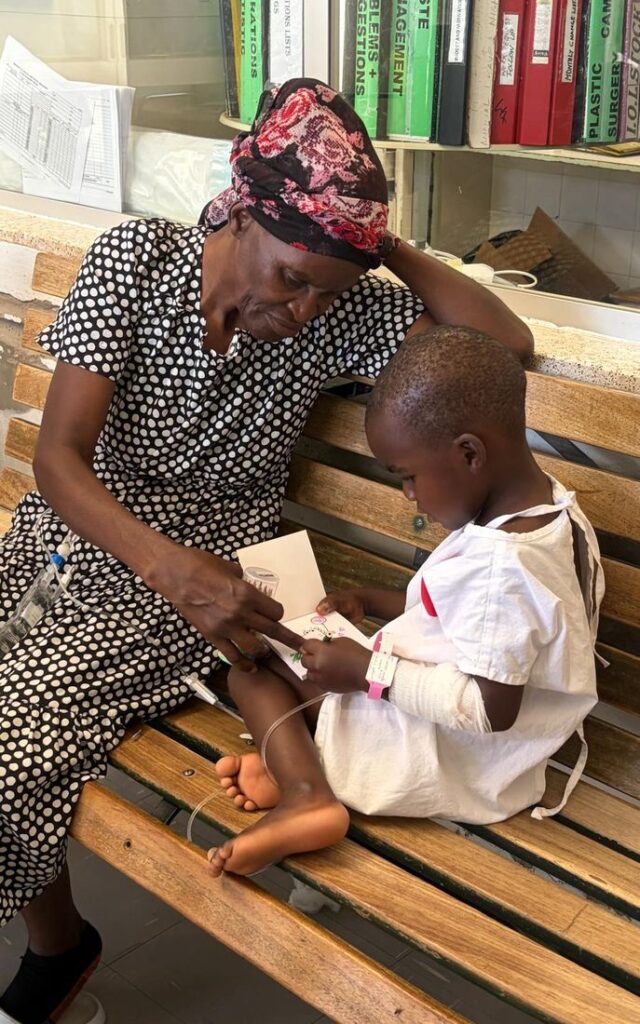
By combining patient care with practical training, 2nd CHANCE works to support both the needs of people requiring surgery and the development of professionals who can contribute to care in their own settings.
From participant to trainer: sharing experience to strengthen local capacity
The development of surgical skills does not stop when a workshop ends. It also depends on the ability to share knowledge, mentor colleagues and support the next generation of professionals.
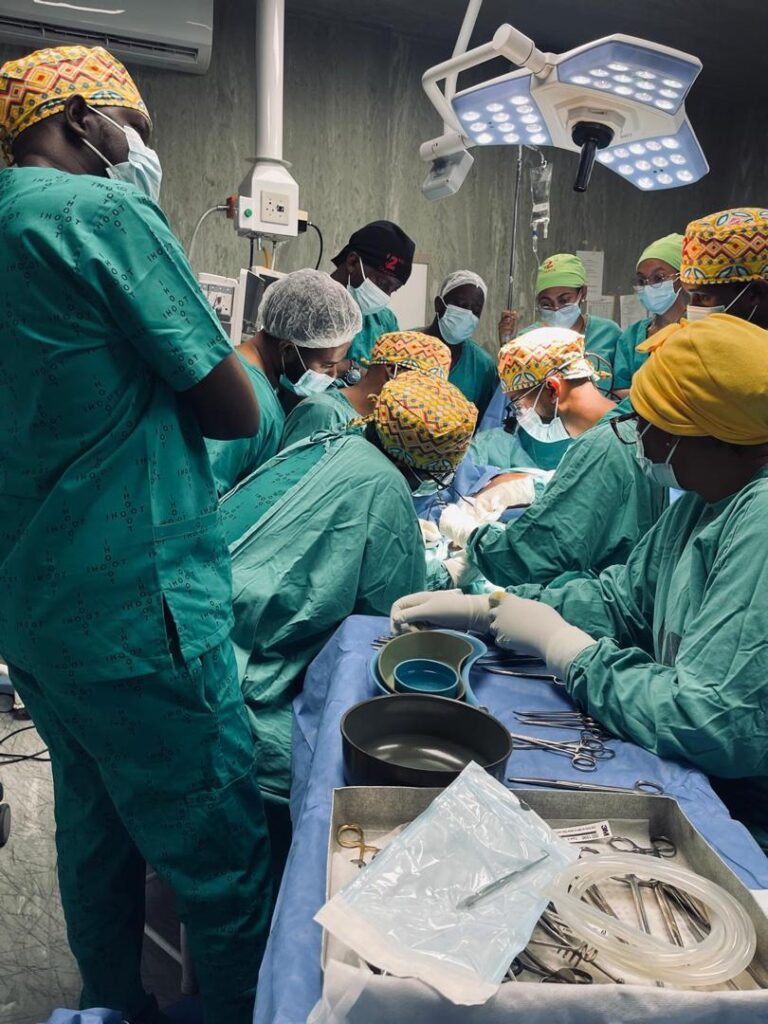
Dr Abdurezak Ali’s experience illustrates this approach. After participating in 2nd CHANCE programmes as a trainee, he returned to Namibia from Ethiopia as a trainer, sharing the experience he had gained with younger colleagues.
It’s a pleasure to give back by sharing my experience with younger surgeons.
Dr Abdurezak Ali
Reconstructive surgeon and trainer, Ethiopia
For him, the value of the workshop lay not only in teaching techniques, but also in seeing participants develop their skills and confidence while working alongside colleagues from different countries.
His journey reflects an important dimension of 2nd CHANCE’s work: supporting professionals as they progress, exchange expertise and contribute to strengthening surgical capacity within their regions.
Through mentorship and peer learning, knowledge can be shared beyond an individual workshop, helping build a wider community of professionals committed to improving access to reconstructive surgery.
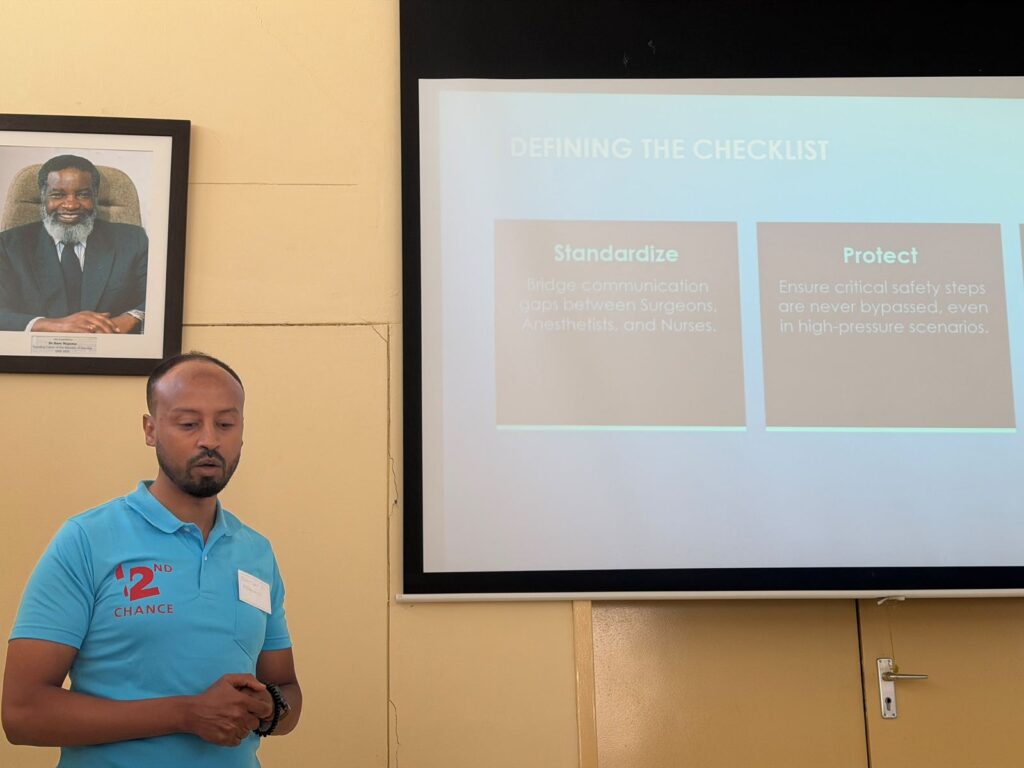
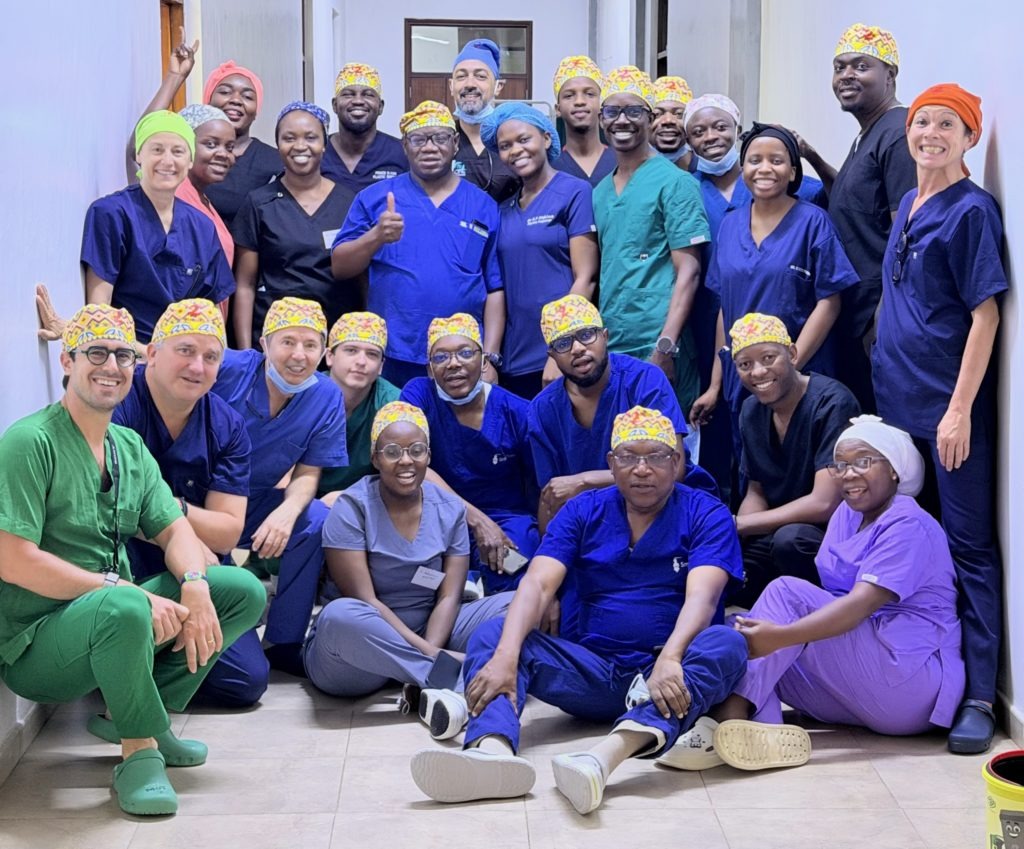
A multidisciplinary team, working towards a common goal
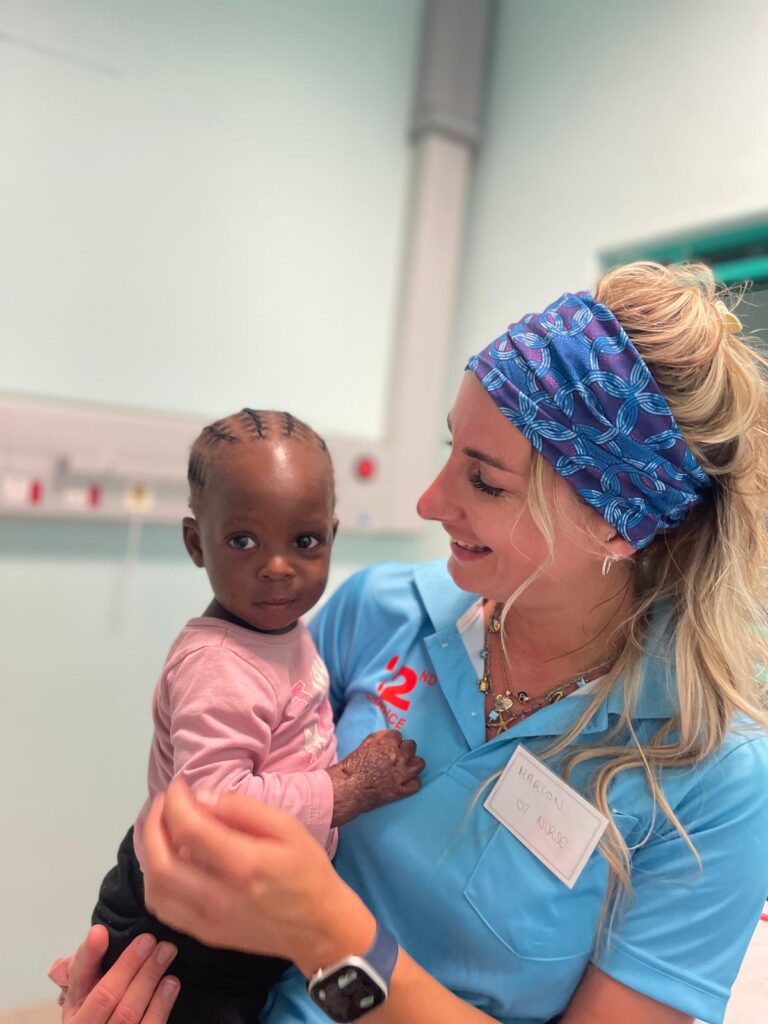
Reconstructive surgery depends on more than surgical expertise alone. Anaesthesia, nursing, operating theatre coordination and close collaboration between professionals are all essential to safe and effective patient care.
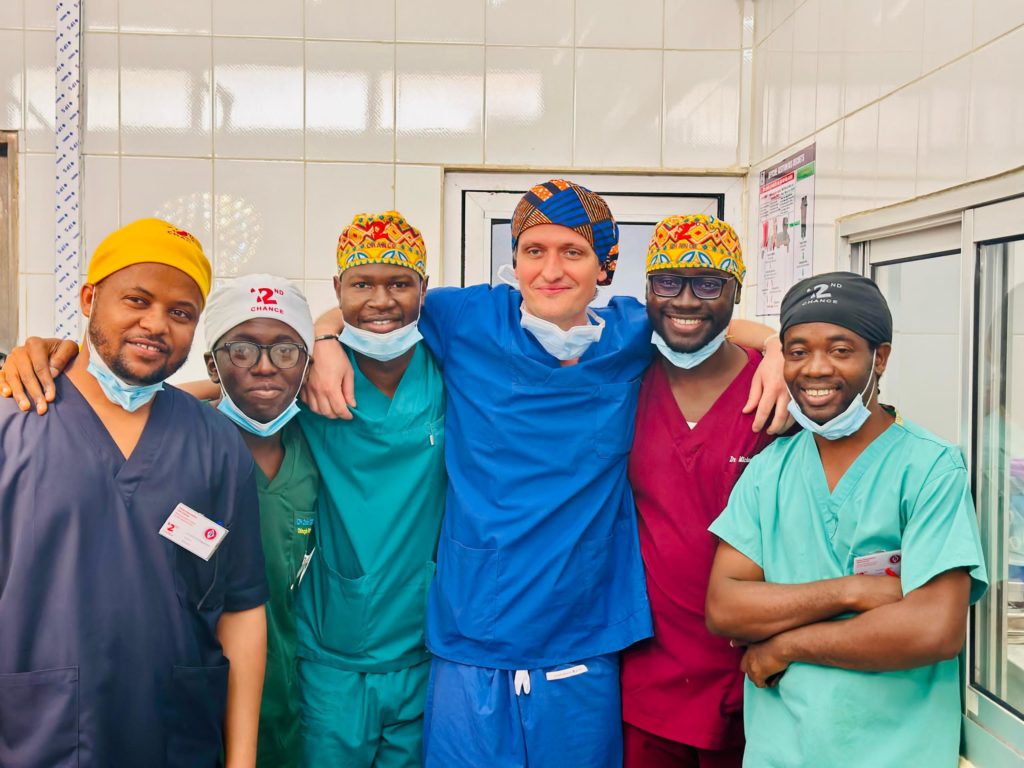
The Oshakati workshop brought together a multidisciplinary teaching team with complementary skills and experience:
Together with the local medical teams, these professionals prepared and delivered the teaching programme, in the operating theatre and in the classroom. Their different roles and perspectives helped create an environment in which patient care, practical learning and collaboration could go hand in hand.
Building a regional pool of anaesthetists
Safe reconstructive surgery depends as much on anaesthesia as on the surgeon. For the first time, 2nd CHANCE brought an anaesthetist from Tanzania into the teaching team: Dr Tanya Mahalu, whom the team met during the latest workshop there. The aim is to help anaesthetists from the region progress until they can take on this role themselves, and to build a pool of regional anaesthetists who can support future workshops. Dr Mahalu is the first to take this step.
A partnership built over time
The collaboration between 2nd CHANCE and Oshakati Referral Hospital began in 2022. The October 2026 workshop continued this partnership through a shared commitment to surgical training, patient care and professional exchange.
On the hospital side, this partnership relies on people who have been involved from the start. Dr Celestine Mbantang, on-site coordinator, shas taken part in every workshop in Oshakati since the first one. Dr Ben Alves Shivute, patient coordinator, plays a key role in welcoming patients and organising the week on site.
Bringing together participants from six countries created opportunities to compare experiences, share approaches and learn across professional and geographical boundaries. The active involvement of local medical teams was an essential part of this work.
For 2nd CHANCE, these collaborations are at the heart of its work. Training and mentorship support the development of professional skills; practical workshops respond to patients’ needs; and partnerships help create the conditions for knowledge to be shared and applied over time.
Building capacity is a continuing process. It requires commitment, collaboration and opportunities for professionals to keep learning from one another.
The Oshakati workshop was one step in that ongoing effort.