Anaesthesia Programme
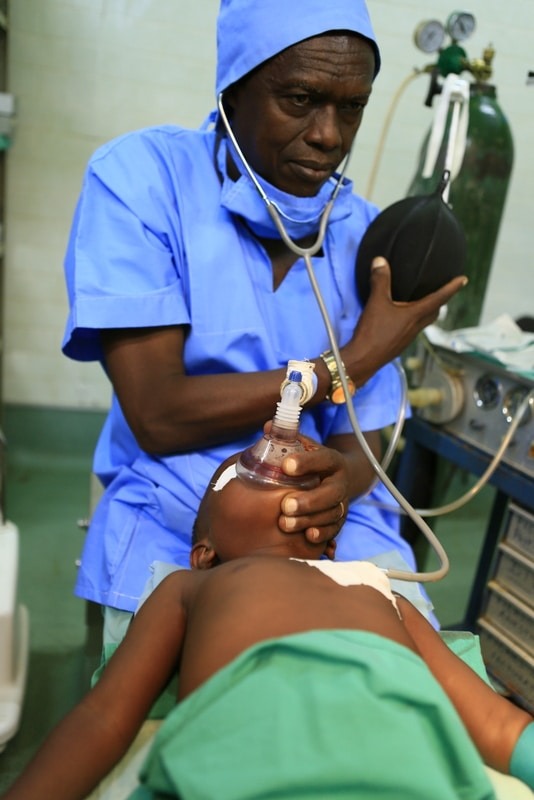
In sub-Saharan Africa, anaesthesia is one of the main factors limiting access to surgery. Training surgeons without strengthening anaesthesia would leave the job half done. This is why 2nd CHANCE runs a dedicated programme to support the African teams who keep patients safe before, during and after every operation.
Why a dedicated programme
Anaesthesia controls pain, breathing, bleeding and the body’s response to the stress of surgery. When it fails, the consequences are immediate.
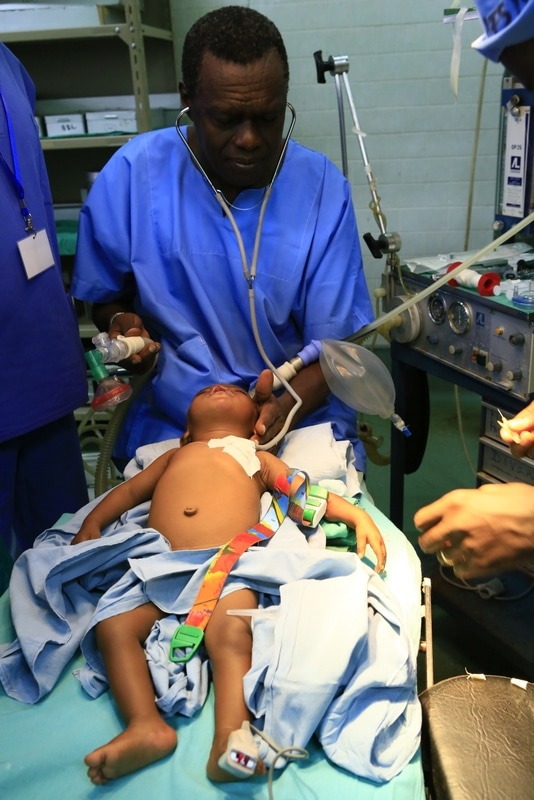
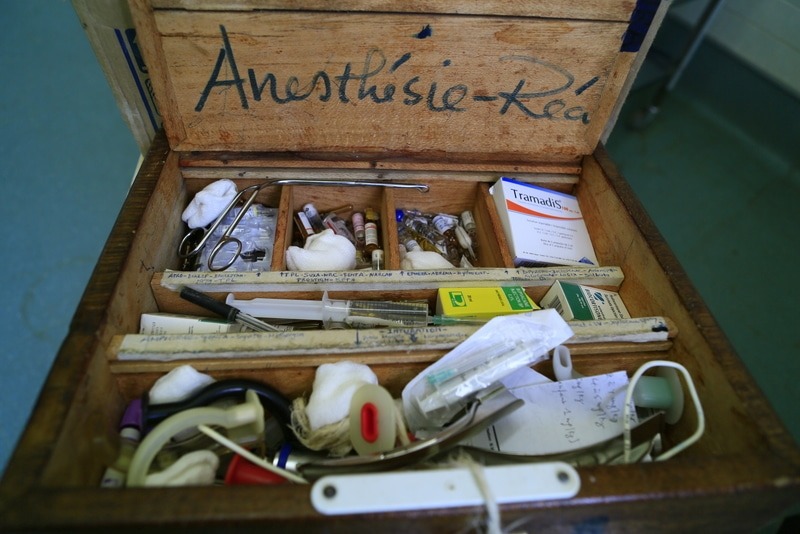
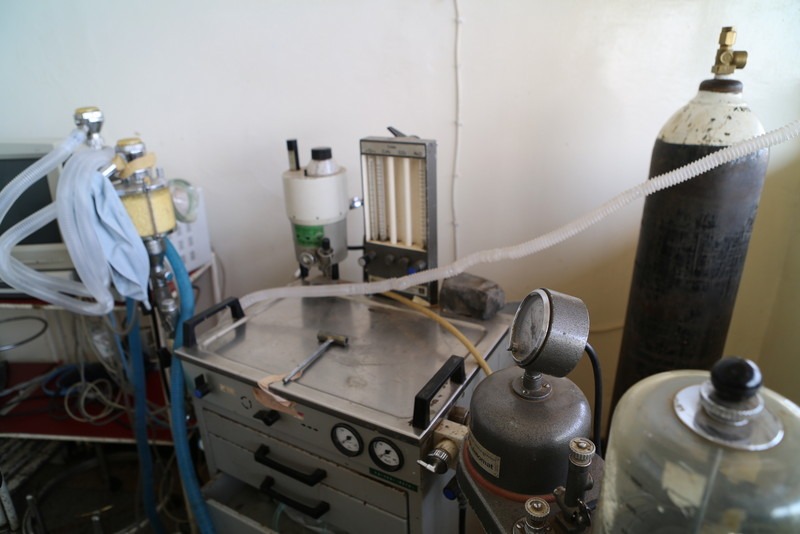
Research, including studies conducted by 2nd CHANCE anaesthetists, shows that anaesthesia-related mortality can be extremely high in low-resource settings, and particularly in sub-Saharan Africa. In many hospitals, anaesthesia is provided by nurse anaesthetists or anaesthesia technicians. They often work alone, with limited equipment and very few opportunities for further training.
For 2nd CHANCE, quality surgery is inseparable from perioperative safety. Strengthening local anaesthesia skills is not an add-on to our surgical training. It is a condition for it.
What the programme does
1
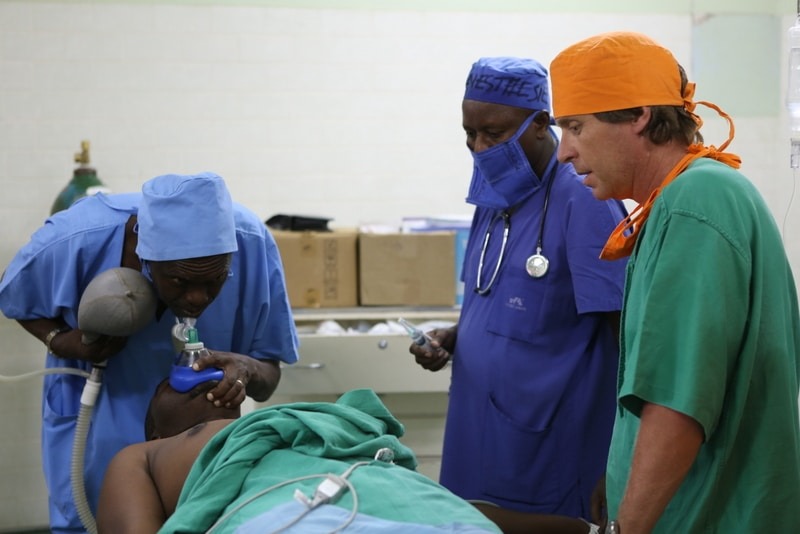
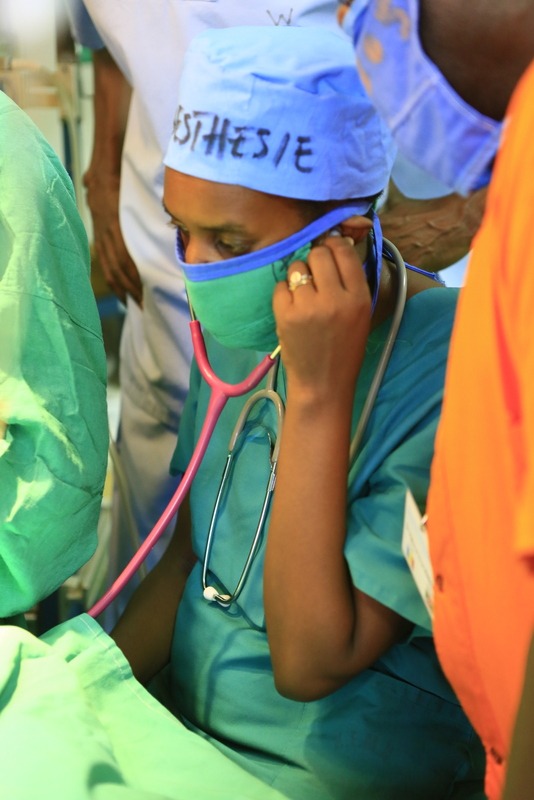
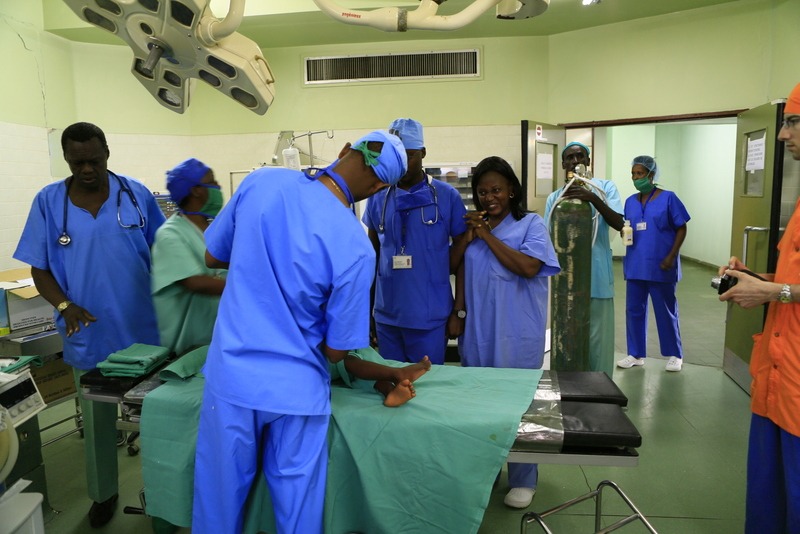
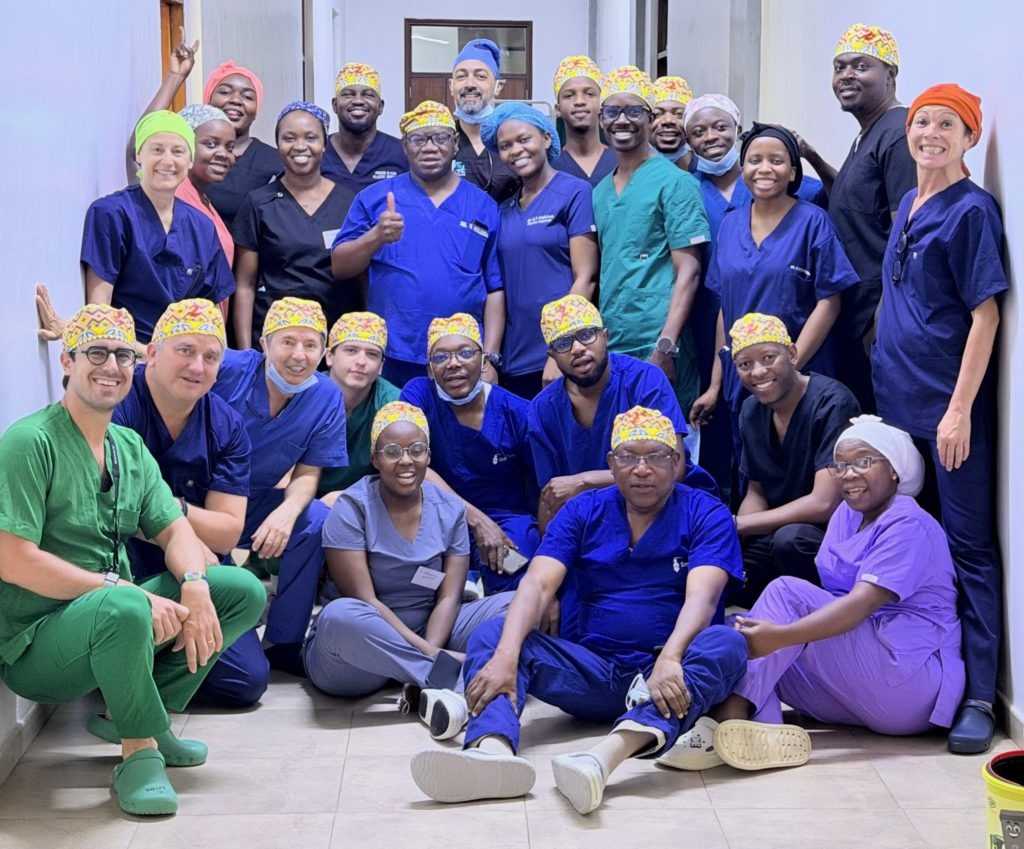
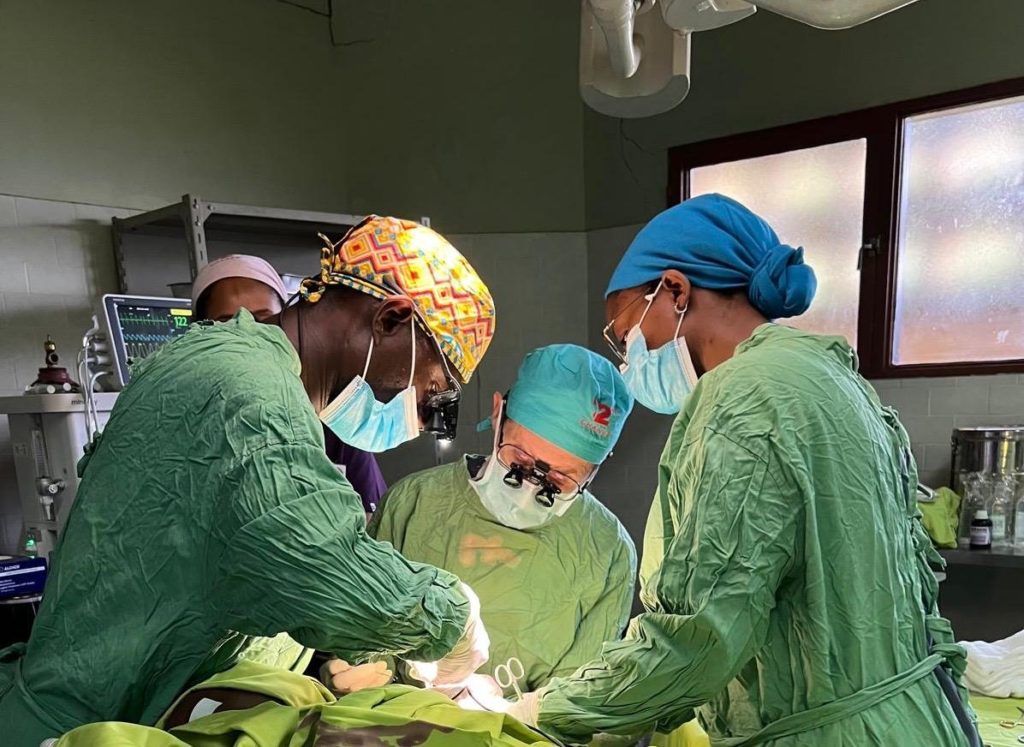
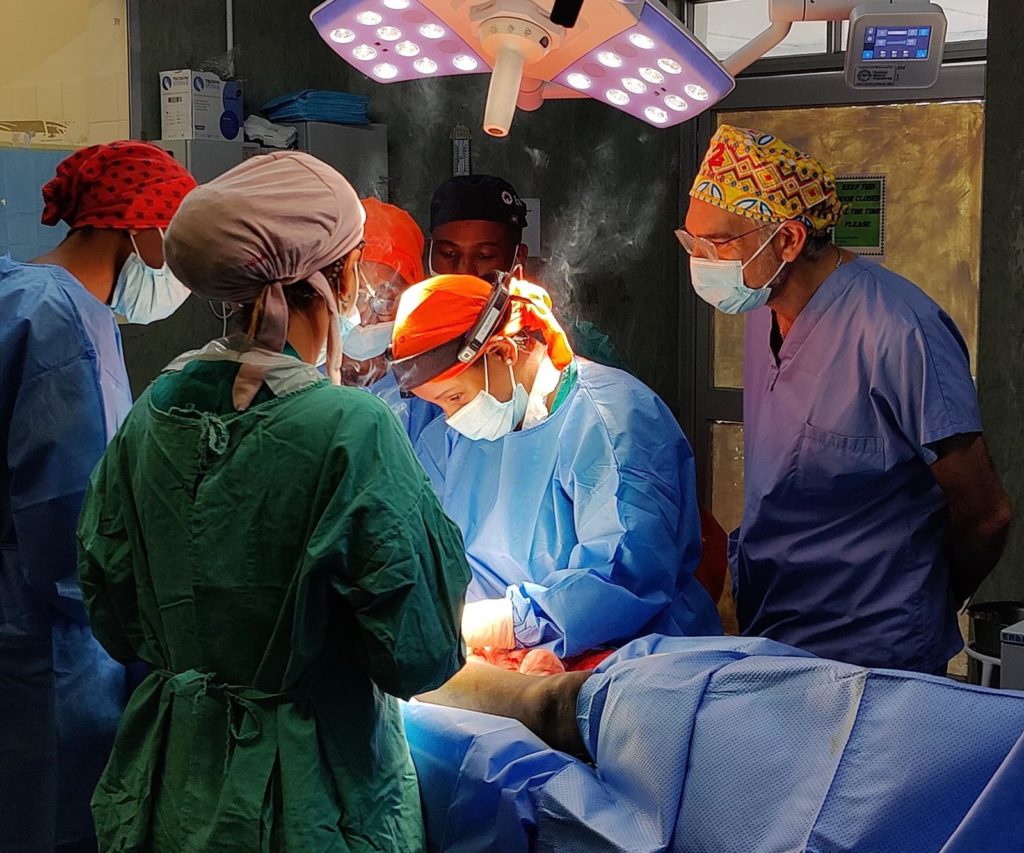
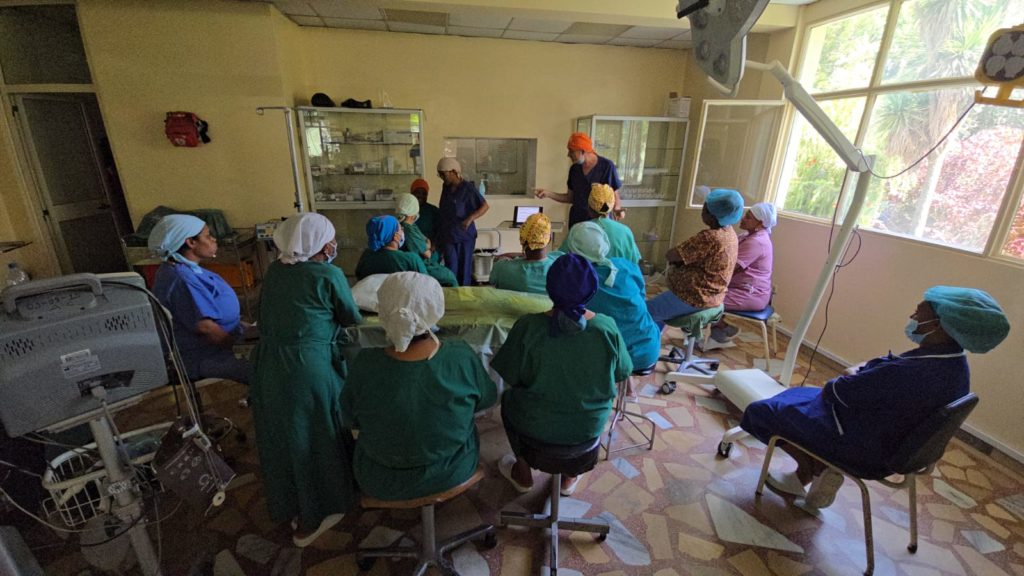
Every 2nd CHANCE mission includes an anaesthetist and an anaesthesia assistant. Together, they take responsibility for patient safety in the operating theatre and work hand in hand with the local anaesthesia team on every case, from preoperative assessment to recovery.
2
The most lasting learning happens next to the patient. Over successive missions, our anaesthetists mentor the same nurse anaesthetists and technicians until they can deliver general and spinal anaesthesia independently, following international safety standards.
3
We organise dedicated workshops on anaesthesia with limited resources, focused on what makes the greatest difference where equipment is scarce:
4
Together with Lifebox, we have trained local teams in pulse oximetry, oxygenation and the WHO Surgical Safety Checklist. Oximeters were provided to hospitals, and the anaesthesia nurses we trained then taught their colleagues how to use them.
Teaching surgeons about anaesthesia
A surgeon who understands anaesthesia operates more safely. Every 2nd CHANCE workshop includes theory sessions on anaesthesia for the surgeons in training, covering its benefits, its risks and what it requires from the whole team.
Today, without anaesthesia, there is no surgery.
Measuring what we teach
To make sure training translates into practice, we track a set of simple procedural steps taught during our workshops. Observing them over time shows what has been learned, and where further support is needed.
Preoxygenation, ventilation and intubation.
Infection prevention before, during and after surgery.
Checking machines, drugs and monitoring before each case.
Shared checks by the whole team at every operation.
Advocacy and research
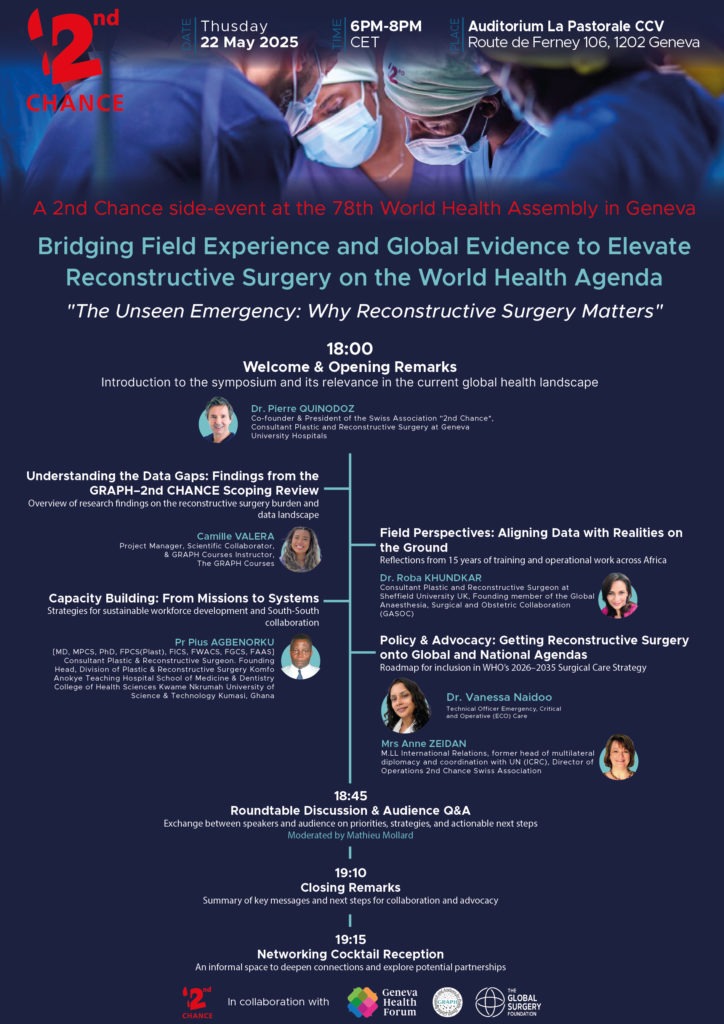
Anaesthesia remains largely invisible in global health debates. We work to change that, from the operating theatres where we train to the international forums where health priorities are set.
We raise awareness among surgeons and local health authorities of the needs of anaesthesia teams.
Our anaesthetists teach humanitarian anaesthesia to University of Geneva medical students and at Geneva University Hospitals.
As a member of the G4 Alliance, 2nd CHANCE advocates for surgery and anaesthesia to be recognised as essential components of primary health care.
Our anaesthesia team
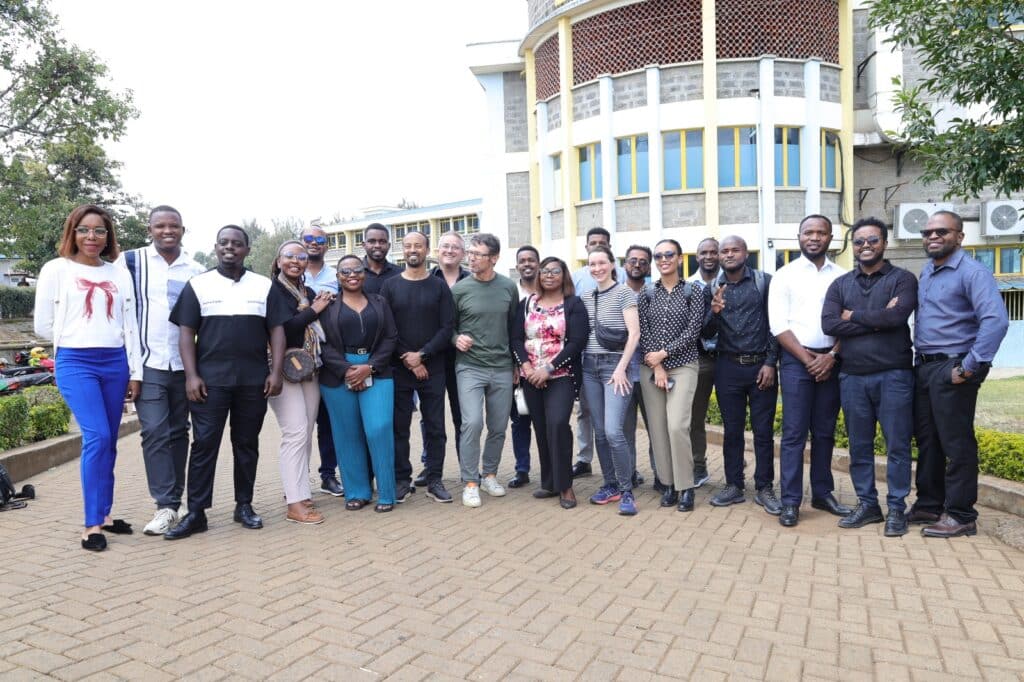
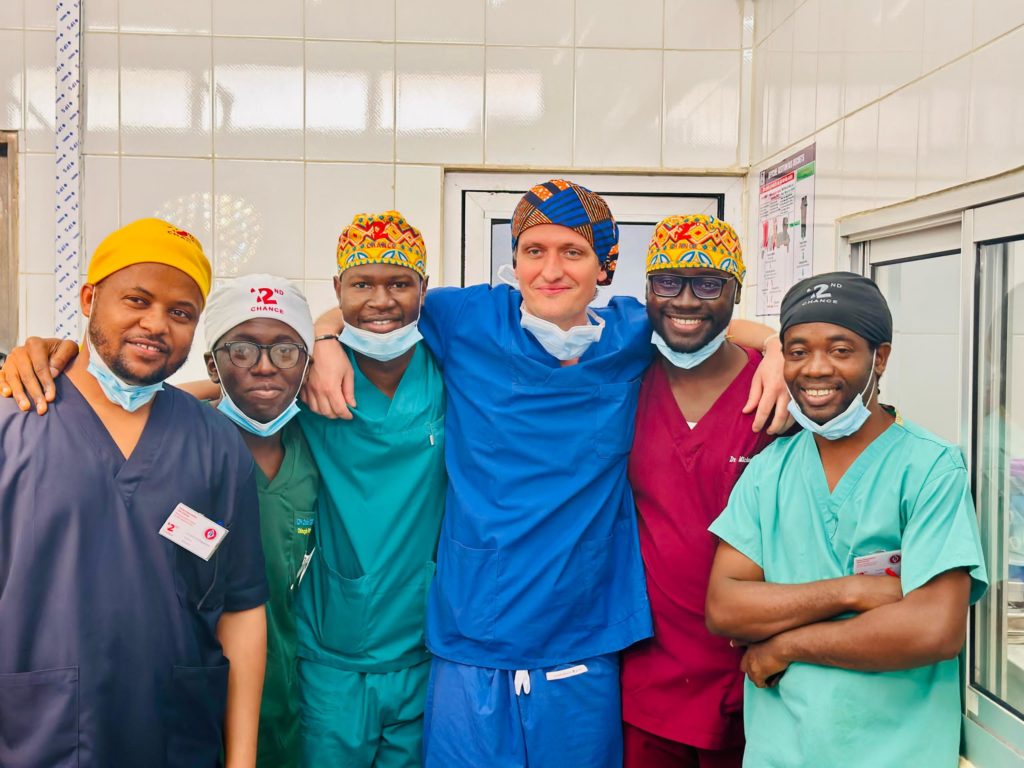
Since the programme began, successive generations of volunteer anaesthetists and anaesthesia assistants have joined 2nd CHANCE missions. They work alongside the African anaesthesia professionals who increasingly share this mentoring role with them.
Here are our latest actions in the field: through specialized interventions, patients suffering from burns, congenital malformations, obstetric fistulas, or goiters have regained their health, dignity, and independence. These essential treatments transform not only the lives of the patients but also those of their families and communities.
For detailed results and figures, see our annual reports.